 EN
EN


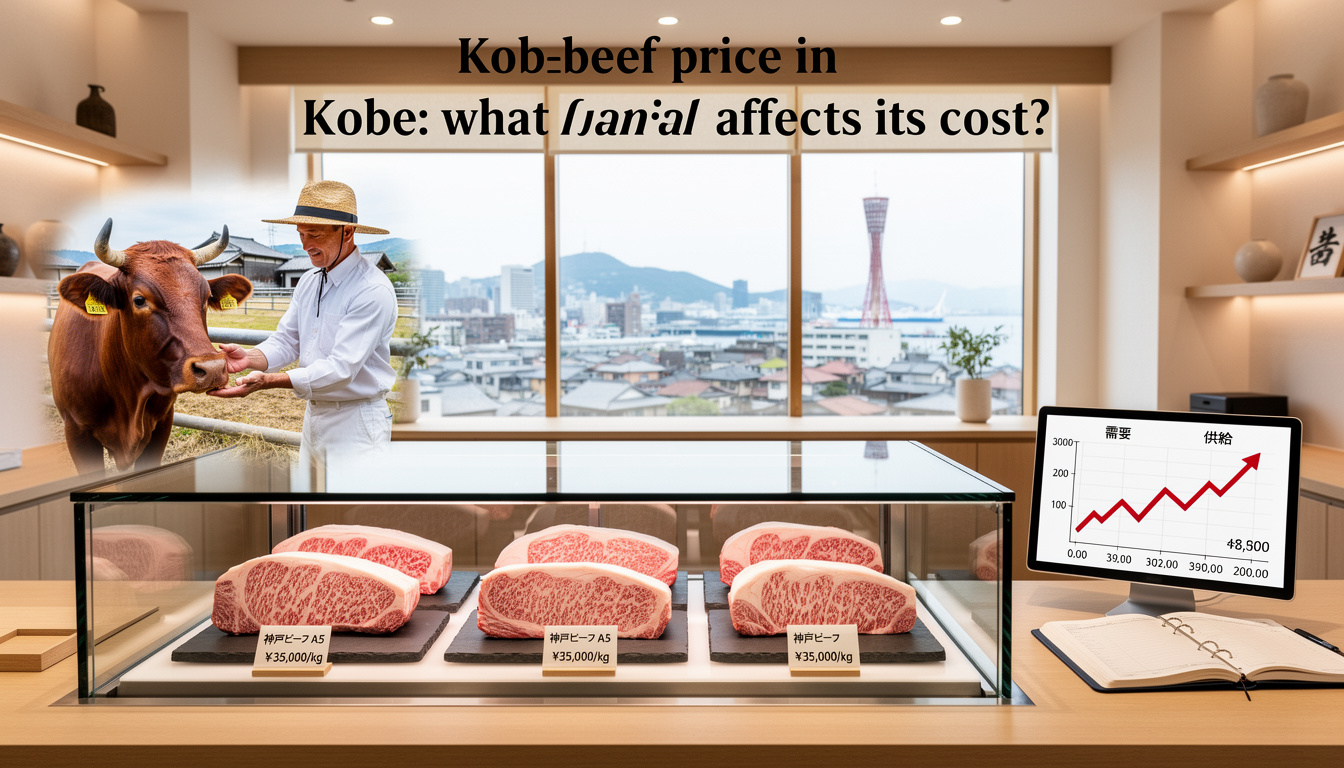
In brief — quick takeaways on Kobe beef price, cost drivers, and where to taste authenticity:
- 💡 Rarity & origin: True Kobe beef comes only from Hyōgo Prefecture, making supply inherently limited.
- 📈 Price range (2026): Expect roughly $200–$500 per pound for top-grade cuts outside Japan; domestic prices can be lower but still premium.
- 🔬 Cost factors: Grading, production methods, specialized feeding, and careful distribution all push prices up.
- 🛎️ Where to enjoy: High-end restaurants and certified butchers in Kobe offer the most authentic experiences.
- 🌍 Local economy impact: Kobe beef supports niche farming, tourism, and culinary prestige in Hyōgo.
The name “Kobe beef” triggers an appetite for perfection — marbled fat that melts like silk and a history tied to a specific place and craft. In 2026, the story behind the price is as much about geography and heritage as it is about taste: only a handful of animals meet the strict standards set for certification, and each step from birth to plate is managed to prioritize meat quality over mass output. A small hypothetical example follows the path of a steer raised at a family-run operation near Kobe — call it “Tanaka Farm” — where careful breeding, a curated diet, and low-stress handling produce carcasses that pass the rigorous grading thresholds. These practices create scarcity, and scarcity, combined with global market demand for luxury products, shapes the modern price of Kobe beef.
Kobe beef price in Kobe: origins, certification, and why origin matters
True Kobe beef must originate from the Tajima strain of Japanese Black cattle raised, born, and processed within Hyōgo Prefecture under strict rules. Certification ties each cut to a registry number, a practice that protects the label and maintains the exclusivity that underpins its market value.
These regional rules mean that supply is legally constrained, translating into higher retail and restaurant prices. This origin-based limitation is the first major cost factor that separates Kobe from generic Wagyu or imported beef.
Production practices that inflate costs
Farmers follow labor-intensive routines: tailored feeding regimens, careful genetics selection, and low-stress husbandry aimed at maximizing intramuscular fat. These practices reduce herd turnover and increase per-animal costs, but they also deliver the signature tenderness and flavor that justify premium pricing.
On-farm labor, specialized feed, and long rearing periods are direct inputs into the final price, while certification and traceability systems add administrative costs during distribution.
Grading, cuts, and how meat quality shapes retail price
Japanese grading assesses marbling (BMS score), yield, and overall meat quality; the highest grades command disproportionate premiums. Consumers buying A5-rated Kobe are paying not just for taste but for a certified level of marbling and texture that few other meats can match.
Rare primal cuts like ribeye and filet from top-grade carcasses fetch the highest sums because the visual marbling and buttery mouthfeel are concentrated there. In 2026 markets, that premium translates into typical retail bands that cater to both collectors and gourmet diners.
Market demand, distribution channels, and the role of tourism
Global interest in luxury foods keeps market demand strong, while limited supply and slow production create upward price pressure. Export logistics, certification paperwork, and cold-chain distribution costs further add to consumer prices outside Japan.
Local tourism in Kobe (fine dining, tasting menus, culinary tours) amplifies the local economy benefits, creating additional value that appears on menus as a premium. Travelers following curated itineraries often combine a Kobe tasting with broader Hyōgo experiences — practical planning tips can be found via Japan travel planning guides for multi-week visits.
Price ranges in 2026: retail, restaurant, and regional differences
Prices for authentic Kobe beef vary by cut, grade, and country of sale. In Japan, eating at a certified Kobe restaurant often costs less than importing the meat and serving it abroad, but both options are positioned as luxury experiences.
Understanding these bands helps diners decide whether to splurge on a meal in Kobe or to buy select cuts from specialty butchers for a special home preparation.
Practical list: how to get authentic Kobe beef without overpaying
- 🔍 Check certification — demand traceability and registry numbers when buying or ordering. ✅
- 🗺️ Eat locally in Hyōgo — dining in Kobe often gives better value for true provenance. 🍽️
- 📦 Consider grade vs cut — highest grade on a small portion can be more rewarding than a larger lower-grade steak. 🔪
- 📚 Use reliable guides — travel resources help plan combined culinary and cultural trips, such as curated itineraries available here Japan 3‑week itinerary. 🧭
- 🍳 Cook simply — minimal seasoning and quick sear highlight the beef’s natural profile, protecting the investment. 🔥
Table: Typical Kobe beef prices by cut and influencing cost factors (2026)
| Cut | Typical price per lb (USD) 🪙 | Main cost drivers ⚙️ |
|---|---|---|
| Ribeye | 💴 $250–$500 | 🎯 High marbling, limited supply, grading |
| Filet (tenderloin) | 💴 $300–$550 | 🏆 Scarcity of prime cuts, production cost, luxury restaurant markup |
| Sukiyaki / Thin slices | 💴 $200–$400 | 🍲 Portioning, demand for specialty cooking, distribution |
| Generic Wagyu (non-certified) | 💴 $50–$150 | 📉 Larger supply, varied grading, different origin rules |
How Kobe beef supports the local economy and cultural heritage
Kobe’s identity is intertwined with its beef: small farms, artisan butchers, and high-end restaurants all benefit from the premium attached to the product. This creates jobs, sustains traditional rearing knowledge, and draws food tourism that fuels related sectors.
Investment in certification and conservation of genetic lines ensures the long-term integrity of the product, and those protections are reflected in the final price consumers pay, which in turn funds the regional value chain.
Common questions about cost, authenticity, and dining choices
Addressing uncertainty helps plan better purchases and tastings. Below are concise answers that guide decisions whether buying in Kobe, ordering abroad, or budgeting for a special meal.
What makes Kobe beef more expensive than other Wagyu?
Kobe beef is a certified subset of Wagyu from the Tajima strain raised exclusively in Hyōgo Prefecture. Strict regional origin rules, intensive production practices, and top grading (marbling, yield, texture) create scarcity and higher costs compared with broader Wagyu categories.
How much should one expect to pay in 2026 for an A5 Kobe steak?
In 2026, an A5 Kobe steak typically ranges from $250 to $500 per pound when sold abroad; dining prices vary but tasting menus at certified Kobe restaurants in Japan can be more cost-effective for the authentic experience.
Can imported ‘Kobe style’ beef be similar in taste?
Non-certified or locally produced ‘Kobe-style’ Wagyu may mimic marbling through genetics and feeding but lacks legal provenance and registry verification. It can deliver similar sensations, yet true Kobe carries certification and a cultural premium.
Where to find reliable travel advice for a Kobe tasting trip?
Trusted travel planners and itineraries that combine culinary hotspots with regional visits help balance cost and authenticity. Comprehensive trip planning resources are available via curated itineraries such as those on Japan travel planning guides.