 EN
EN


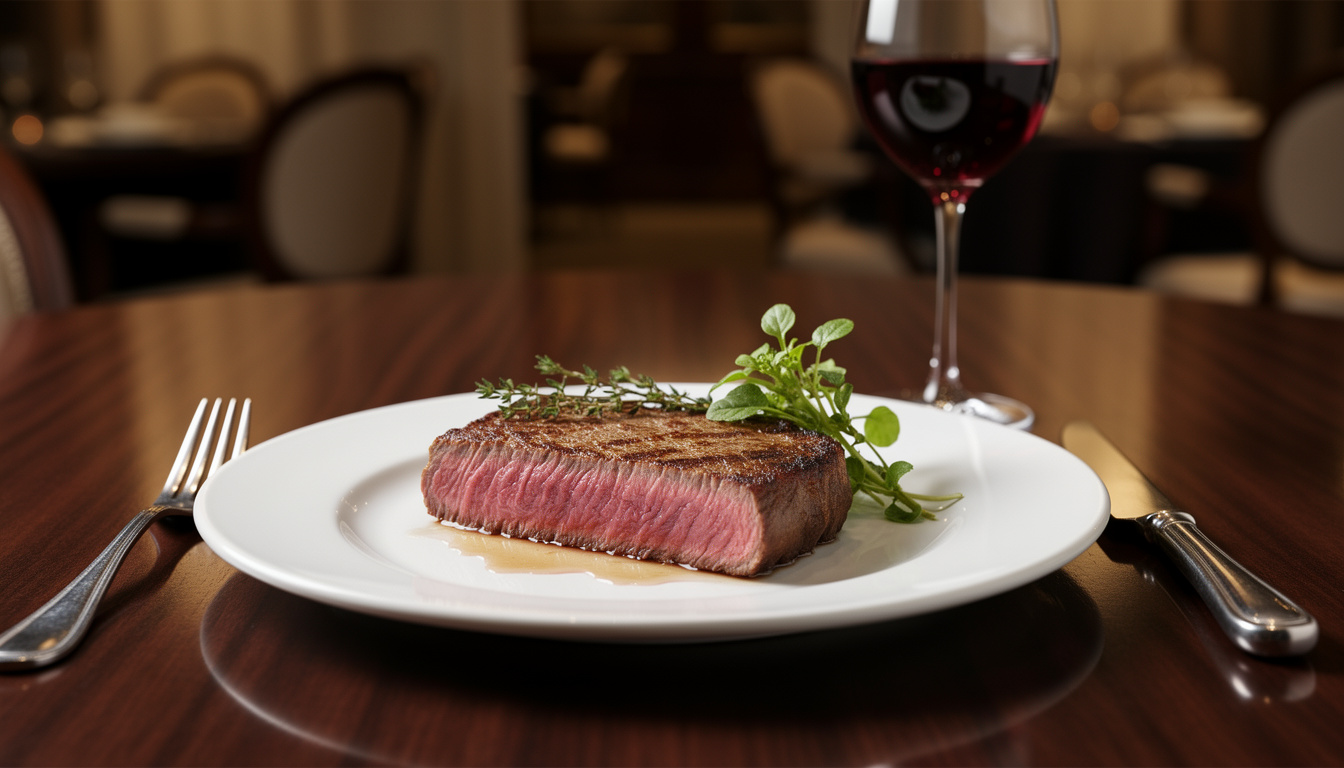
- Expect a wide price spectrum for the Wagyu beef experience: from affordable crossbred steaks to exclusive A5 tasting menus. 💸
- Costs reflect genetics, extended feeding, and boutique processing — not just the cut. 🥩
- Dining in Japan vs buying retail abroad produces different premium, tasting, and luxury price points. ✈️
- Plan for added shipping, packaging, and membership options if ordering direct-to-consumer. 📦
- Choosing where and how to taste Wagyu changes the experience as much as the taste itself. 🍣
A magazine-style preview: the Wagyu beef experience cost sits at the crossroads of culinary luxury and agricultural craft. Readers will find clear comparisons between crossbred domestic Wagyu and imported Japanese A5, precise breakdowns of what goes into the price (from genetics to dry-ice shipping), and practical expectations for tasting menus in Japan and abroad. The article highlights why time—one extra year of feeding and care—translates into marbling, buttery texture, and the elevated price tag. Concrete numbers tie production stages to retail outcomes: breeding methods that can add hundreds or thousands before a calf is born, feeding regimens that multiply daily costs over 350–500+ days, and processing plus shipping that push a single-animal investment into the low five figures. For travelers and food lovers planning a luxury tasting, this guide compares menu prices, at-home buying options, and membership strategies, and points to resources for planning food budgets in Japan. Practical tips and a short case thread following KC Cattle Company’s boutique model show how premium quality, animal welfare, and direct-to-consumer choices shape both price and the unforgettable tasting moment.
How Much Does a Pound of Wagyu Beef Cost? Your guide to price and quality
Consumer prices vary dramatically depending on grade, origin, and cut. For many premium tasting experiences, expect $100–$300+ per pound for prime A5 or specialty types like Kobe or Olive Wagyu. Domestic crossbred Wagyu often appears cheaper at retail, sometimes in the $20–$60 per pound band, but this masks differences in marbling and traceability.
Choosing between a restaurant tasting or buying packaged beef changes the perceived cost: a plated tasting includes service, skillful cookery, and ambiance, while retail purchases add shipping and packaging expenses to the base price. Key insight: price equals provenance plus process — not just the cut.
Breakdown: what drives the Wagyu beef experience cost?
Production involves defined stages where expenses accumulate: genetics (AI vs embryo transfer), gestation, raising, a long specialized feeding phase, processing, and direct-to-consumer packaging/shipping. Each step is a clear contributor to the final retail or tasting price.
A practical guide that links each cost component to the tasting experience helps predict what the final plate will deliver: tenderness, fat spread, and a buttery mouthfeel. Final takeaway: every dollar spent before the plate is an investment in flavor and texture.
| Stage | Typical Cost Range | Why it matters |
|---|---|---|
| Genetics (AI / ET) 🧬 | $50–$1,500 | Determines marbling potential and breed purity |
| Pregnancy & Calving 🤰 | $400–$500 | Baseline care; affects early calf survival |
| Raising to Weaning 🐄 | $300–$500 | Health and early growth set future yield |
| Feeding Phase (350–500+ days) 🌾 | $1,600–$2,400 | Long feed window creates signature marbling |
| Processing & Butchering 🔪 | $800–$1,200 | Yield and aging determine retail cuts |
| Packaging & Shipping 📦 | $100s (varies) | Direct delivery adds boutique costs |
Why Wagyu Beef Prices Reflect Time, care and craftsmanship
Wagyu price is a story of patience. Fullblood animals are typically finished at 28–36 months, about a year longer than conventional cattle. That extra time means prolonged feed bills, more labor, and extended land use — all of which feed the final quality.
Premium genetics and careful handling—sometimes including daily brushing and low-stress care—translate directly into the ultra-marbled texture prized in tastings. In short: expense buys the sensory signature diners are chasing.
Commercial vs boutique: where value and price diverge
Commercial F1 Wagyu (50% Wagyu × Angus) is designed for wider availability and lower cost, often priced around $3,000–$3,500 to produce per animal. Boutique fullblood Wagyu, produced with embryo transfer and extended finishing, pushes production costs to $5,000–$6,000+ per animal.
This difference explains why some menus and retail boxes command luxury prices: boutique farms aim for small-batch quality, traceability, and a tactile tasting experience. Key insight: smaller supply plus premium care equals a luxury price premium.
- 💠 Commercial F1 Wagyu: more accessible price, moderate marbling.
- 💠 Boutique fullblood A5: premium marbling, higher price, luxury tasting.
- 💠 Direct-to-consumer boxes: extra for shipping and freezing — expect added expense.
What to expect when booking a Wagyu tasting or buying retail
Dining expectations shift by location. In Japan, a specialized Kobe or A5 tasting menu in a top steakhouse or kaiseki setting can run from ¥10,000–¥50,000+ per person depending on cut and prestige. Abroad, high-end restaurants often reflect import, service, and context — making the Wagyu beef experience feel like a true luxury.
For travelers budgeting food days in Japan, consult regional food-cost guides for realistic daily spending on premium meals and tasting experiences. For planning, this detailed resource helps compare local dining expenses: food cost in Japan per day. Key insight: booking ahead and choosing the right restaurant profile controls the overall tasting expense.
Typical tasting and retail price benchmarks
Sample price buckets to set expectations: a single A5 ribeye steak for a private tasting might show up at $150–$300 per pound; an omakase steak course could be $120–$400 per person depending on the number of courses and location. Retail packages of Japanese-certified Kobe or A5 cost substantially more and often carry certification premiums.
For more on Kobe-specific pricing and how certification affects cost, see this resource on Kobe beef price differences: Kobe beef pricing explained. Final takeaway: tasting budgets must include provenance premiums and service factors.
| Experience 🍽️ | Typical Price Range | What it buys |
|---|---|---|
| Casual steakhouse cut 🥩 | $40–$80 per person | Crossbred Wagyu, moderate marbling |
| High-end teppanyaki or steak omakase 🧑🍳 | $120–$400+ per person | A5 cuts, curated tasting courses |
| Retail A5 / Kobe boxed delivery 📦 | $150–$400 per lb or more | Certified Japanese Wagyu, shipping adds cost |
Practical tips to get the best Wagyu beef experience for your budget
A seasoned travel planner’s checklist helps turn price into value. Choices like splitting courses, choosing less-famous prefectures in Japan, or selecting crossbred steaks for home cooking stretch the tasting without diluting quality. Membership boxes and subscriptions can also offer volume discounts for regular buyers.
Small farms that sell direct sometimes include story-driven touches—traceability notes, farmer profiles, or veteran-owned badges—that enrich the tasting and justify premium prices. Insight: smart selection amplifies taste per dollar spent.
- 🔍 Check certification and provenance before booking a tasting or buying retail.
- 🧾 Compare per-pound price versus plated menu cost to assess value.
- 📦 If ordering, factor insulated boxes and express frozen shipping into the budget.
- 🤝 Consider memberships or farm-to-door programs for recurring discounts.
- ✈️ In Japan, choose local specialty restaurants outside main tourist hubs for better value.
A final practical thread follows KC Cattle Company’s boutique example: their higher per-animal production costs (often $5,000–$6,000 for fullblood Wagyu) explain why direct farm boxes and small-batch retail carry a premium. That transparent trace from farm to fork is what many diners pay for when seeking a true Wagyu beef experience. Key insight: premium traceability and small-scale care are part of the tasting’s emotional and sensory value.
How much should one budget for a Wagyu tasting in Japan?
Budget roughly ¥10,000–¥50,000+ per person for a high-quality Wagyu tasting in Japan; prices vary by city, restaurant prestige, and grade (A5 commands the highest prices).
Is imported A5 Wagyu worth the price compared to domestic Wagyu?
Imported A5 offers unmatched marbling and provenance but comes with import and shipping premiums. Domestic crossbred Wagyu can provide excellent value and flavor for everyday luxury. Choice depends on tasting goals and budget.
Why does Wagyu cost more than Angus?
Wagyu require longer finishing times, specialized diets, premium genetics, and often boutique handling and processing — all of which increase cost but also produce distinctive marbling and buttery texture.
How much retail beef does one Wagyu animal yield?
A finished Wagyu carcass typically yields around 500 pounds of packaged beef after trimming and aging, which explains why the per-animal production cost must be spread across premium cuts.