 EN
EN


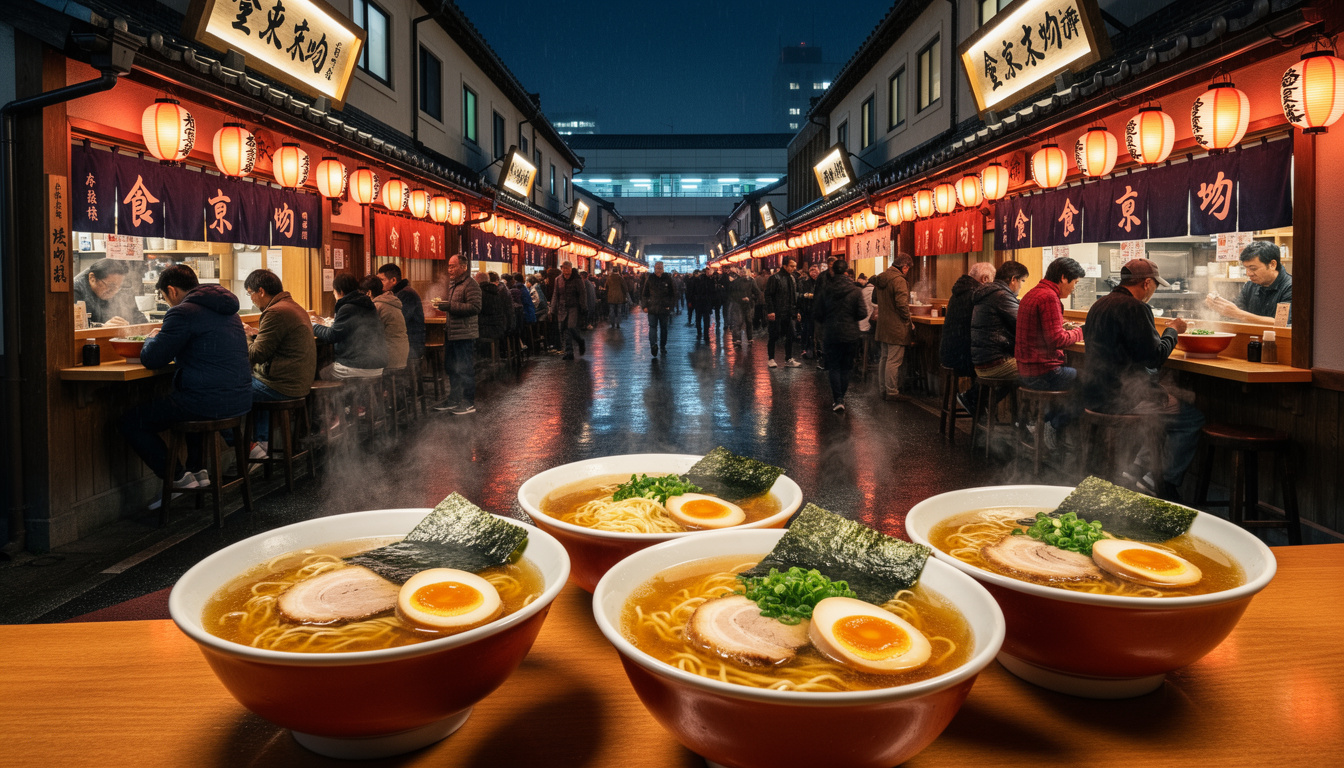
Under the polished floors of Tokyo Station lies a corridor that compacts decades of ramen craft into a single, irresistible destination. Tokyo Ramen Street gathers regional champions and Michelin-recognized stalls into First Avenue Tokyo Station, offering an intense tour of Japanese Cuisine in one walkable span. The aromas of simmering broth, toasted garlic oil, and charred chashu collide with the station’s commuter rhythm, turning a simple meal into a ritual for travelers and locals alike. For a digital nomad on a layover or a foodie planning a culinary pilgrimage, this is where authentic noodles meet efficient street food culture: ticket machines, quick service, and lines that testify to each shop’s reputation. The variety spans tonkotsu’s creamy depth, shio’s delicate clarity, miso’s warm umami and tsukemen’s bold dipping broths—every bowl narrates a prefecture’s taste. Practical details matter here: many shops use vending machines that accept cash only, peak hours demand timing strategies, and some stalls now offer vegan or gluten-free options to reflect evolving palates. The result is a gourmet microcosm where tradition and innovation fuse, making Tokyo Ramen Street an absolute must-visit for anyone chasing the perfect bowl of ramen.
- 🍜 Must-visit gourmet spot at Tokyo Station for instant access to Japan’s best noodles.
- 🚆 Perfect for travelers: eat well before Shinkansen departures or during a layover.
- 🍲 Broth variety: tonkotsu, shio, shoyu, miso and tsukemen all under one roof.
- 🌿 Options for diverse diets: vegan and gluten-free choices available at select shops.
- ⏱️ Timing matters: avoid lunch/dinner peaks or expect queues.
Tokyo Ramen Street at Tokyo Station: why it’s a must-visit for ramen lovers
Tokyo Ramen Street is not a single shop but a curated lineup of eight celebrated restaurants located beneath the Yaesu side of Tokyo Station. Each ramen stall represents a distinct storytelling of Japanese regional taste—Hokkaido miso warmth, Aomori sardine depth, Hakata tonkotsu creaminess—so visitors taste Japan’s culinary map in one corridor.
The compact layout turns a commute into a gourmet stop: choose a counter, buy a ticket, and savor bowls crafted by chefs who reinvent traditional broths and noodles. This concentration of styles and the presence of Michelin-listed names make the corridor essential for any serious foodie. Key insight: planning arrival time and knowing which bowl to pick transforms a queue into a memorable meal.
What Tokyo Ramen Street offers to lovers of authentic ramen
Expect hand-rolled noodles, specially blended broths and signature toppings that define each brand. Shops such as Rokurinsha redefined tsukemen with ultra-thick, umami-packed broths, while Soranoiro blends shoyu craft with vegetarian innovation—some menus now include gluten-free or vegan bowls to meet modern dietary needs.
The atmosphere is equal parts street food energy and refined gourmet technique: quick, loud, flavorful. This unique combination is why the location remains a cultural hotspot for both casual slurpers and culinary pilgrims. Final thought: the diversity here means every visit can feel like a fresh discovery.
Signature shops and recommended bowls on Ramen Street
Ramen Street gathers a lineup where each stall stakes a claim with a signature style. From seafood tonkotsu that balances meat and ocean flavors to the sardine-forward Tsugaruniboshi, every bowl reads like a small manifesto about broth, noodles and regional identity.
Highlighted shops include Rokurinsha (famous tsukemen), Soranoiro (vegan-friendly shoyu and shellfish shio), Hanamichian (Tokyo miso with Michelin recognition), and Hirugao (celebrated shio ramen made with Hokkaido wheat noodles). These bowls illustrate how technique and ingredient selection alter the noodle experience dramatically.
- 🍜 Rokurinsha — Tokusei Tsukemen (thick noodles + concentrated dipping broth)
- 🌿 Soranoiro — Special Shoyu & vegan options (Michelin-listed creativity)
- 🥣 Hanamichian — Special miso ramen (warm, home-style depth)
- 🐟 Tsugaruniboshi Hirakoya — Koikuchiniboshi (rich sardine soup)
- 🔥 Haorai Ramen — Black bowl with burnt garlic oil (limited-time staple)
| 🍥 Shop | 🍜 Style | 🥇 Signature | 🔎 Note |
|---|---|---|---|
| Rokurinsha | Tsukemen | Tokusei Tsukemen 🍜 | Expect queues; thick broth experience 👍 |
| Soranoiro | Shoyu / Vegan | Special Shoyu ramen 🌿 | Michelin guide listing; vegan friendly |
| Hanamichian | Miso | Special miso ramen 🥣 | Comforting Tokyo miso; two-time Michelin mention |
| Tsugaruniboshi Hirakoya | Sardine-based | Koikuchiniboshi 🐟 | Signature multi-stage sardine broth |
These bowls reveal how a single ingredient—like dried sardines or Amakusa Daio chicken—can become the soul of a shop’s bowl, defining its identity and fanbase.
Practical tips: queues, tickets, diet needs and timing
Most shops use ticket vending machines; carry cash as many machines accept cash only. Lines are longest at lunchtime and right after office hours; mid-afternoon or just before train departures are clever windows to strike.
Dietary choices are better supported now: Soranoiro and several stalls offer vegan or gluten-free options—check menus and timing, since special bowls can sell out. For broader travel budgeting and how ramen fits into a Japan itinerary, refer to resources that help plan costs and food options.
- 💴 Bring cash for vending machines and tips.
- ⏰ Visit off-peak to avoid long queues.
- 🥢 Try tsukemen at Rokurinsha for a bold dipping experience.
- 🌱 Look for vegan/gluten-free options if needed; menus change fast.
- 🧳 Store large luggage in station lockers before entering Ramen Street.
Smart timing and small preparations make the difference between a rushed meal and a memorable ramen moment.
How to get to Tokyo Ramen Street at Tokyo Station
Tokyo Ramen Street sits on Basement Level 1 of First Avenue Tokyo Station, accessible via the Yaesu side. After clearing ticket gates, follow signs for First Avenue and the underground dining zone; it’s a short walk from Shinkansen platforms, making it ideal for pre-departure meals.
Tokyo Station is served by numerous JR lines, Shinkansen routes and the Marunouchi Metro—this central connectivity is part of why Ramen Street ranks as a must-visit for travelers seeking authentic Japanese noodles without wandering the city.
Knowing the exact basement level and exit transforms a frantic search into an effortless culinary stop.
Beyond the bowls: nearby finds and a traveler’s thread
After a bowl, step into Character Street for themed shops or stroll the Marunouchi area for historic architecture—Ramen Street pairs perfectly with short explorations. A recurring traveler, Hana the digital nomad, always schedules a 45-minute window to eat, drop luggage, and catch a train—this micro-itinerary shows how ramen can anchor efficient city movement.
For planning longer culinary routes across Japan or budgeting a month of food-focused travel, helpful guides outline costs and multi-region itineraries that complement a Ramen Street visit. Combining ramen stops with nearby attractions creates a fuller Tokyo story.
Pair a bowl with a quick exploration to turn a meal into a snapshot of Tokyo life.
Further reading and planning: explore curated guides on the best ramen in Tokyo and options for vegetarian travelers—these resources help refine choices and itineraries: best ramen Tokyo 2026 and vegetarian food Japan. For broader budgeting or multi-day plans, consult comprehensive travel budgeting and itinerary pages.
What are the opening hours for Tokyo Ramen Street?
Most shops operate roughly between 11:00 and 22:30, but hours vary by restaurant. Check individual shop schedules before visiting to avoid surprises.
Are there vegan or gluten-free ramen options?
Yes—some stalls like Soranoiro offer vegan bowls and a few have gluten-free alternatives. Availability changes, so look for menu signs or ask staff.
Do vending machines accept cards?
Ticket machines at many shops primarily accept cash; a growing number now accept electronic payment, but bringing cash ensures a smoother experience.
Is Tokyo Ramen Street suitable for families or solo travelers?
Absolutely. The corridor’s casual counters welcome solo diners, while efficient service and varied bowls make it family-friendly. Lines can be long, so plan around peak times.