 EN
EN


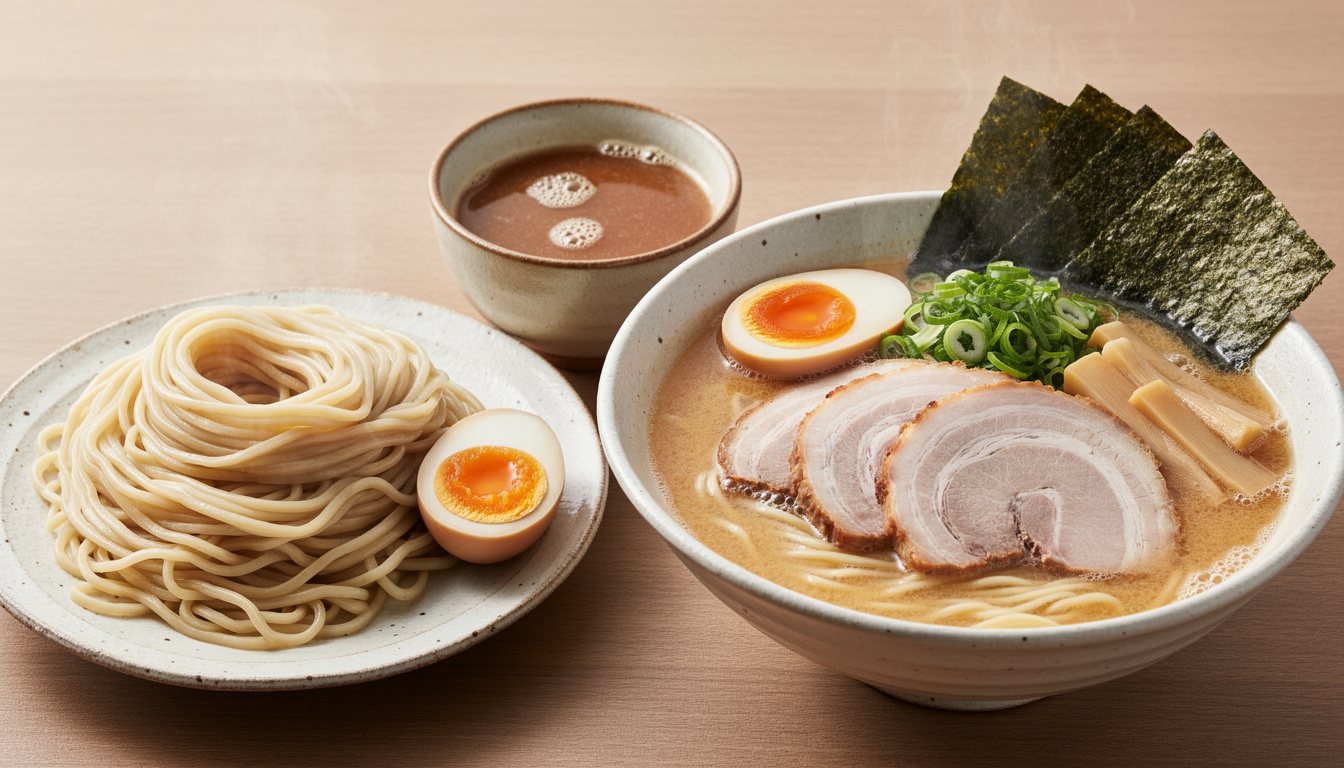
En bref — quick takeaways:
- 🍜 Tsukemen = thick, cold noodles served separately with an intense dipping sauce (hot broth).
- 🔥 Ramen = noodles, broth and toppings together in one steaming bowl for immediate harmony.
- 🧭 Choose tsukemen for bold flavor and texture play; choose ramen for comforting warmth and variety.
- 📍 Tokyo remains the best laboratory to test both styles — plan visits to legendary shops and local gems.
A travel-savvy guide distills decades of Japanese culinary obsession into a single, practical page exploring whether tsukemen or ramen fits a mood, season, or palate. The two dishes share the same noodle DNA but diverge in presentation: one celebrates contrast — cold noodles dipped into a powerful, concentrated dipping sauce — the other aims for integrated warmth, where broth, toppings, and noodle meet in a single bowl. This piece navigates origins, texture and flavor profiles, how to eat each with authentic manners, and where to taste them in Tokyo and beyond. Practical tips, a tasting checklist, and a roadmap to famous shops are paired with a running anecdote of a fictional traveler planning a Tokyo food day; the narrative thread helps choose a dish based on appetite, weather, and appetite for ritual. For anyone mapping a culinary itinerary in 2026, the distinctions below will sharpen decisions and turn every noodle stop into a memorable cultural encounter.
Tsukemen vs Ramen: key differences in broth, texture and serving style
At first glance both dishes are cousins within modern Japanese cuisine, sharing the same type of noodles family, yet their philosophies differ. Tsukemen separates elements: cold or room-temperature noodles meet an intensely seasoned, often thicker broth used as a concentrated dipping sauce, while ramen brings the full ensemble — hot soup, toppings, and noodles — into one bowl for an immediate, unified flavor. Understanding this split clarifies why texture matters: tsukemen’s thicker, chewier strands absorb sauce differently, offering a tactile contrast that changes each bite.
How tsukemen’s serving method transforms the eating experience
Problem: Many expect ramen-style warmth and get surprised by the ritual when encountering tsukemen for the first time. The separate bowls require dipping technique and an appreciation for the concentrated dipping sauce.
Solution: Learn two simple approaches — full dip for maximum flavor, partial dip to prioritize noodle texture — and adjust mid-meal with condiments or a splash of hot dashi to thin the broth. This little ceremony makes tsukemen a tasting exercise rather than a single-spoon comfort bowl.
Example: The fictional traveler Yuto chooses tsukemen on a hot Tokyo afternoon, savoring the contrast between chilled, chewy noodles and the hot, umami-rich broth; the final sips are softened by added dashi, turning a concentrated sauce back into a pleasant, drinkable broth. Insight: the ritual of dipping becomes part of the pleasure.
Origin story: Taishoken, Tokyo and the rise of dipping noodles
The tale begins in Tokyo in the early 1960s when a ramen shop introduced a practical staff meal that evolved into a national favorite. The original concept drew from cold buckwheat traditions like zaru soba but swapped in thicker noodles and a richer broth as a concentrated dipping sauce. Over decades, apprentices spread the method, and by the 1990s the name and technique had multiplied across Japan and later abroad, carried by chefs and diaspora communities.
Why texture and noodle thickness matter
Problem: Standard ramen noodles are often thin and optimized to marry with hot soup, while tsukemen favors bulk and chew for holding the sauce. The thicker the noodle, the better it stands up to a dense dipping sauce.
Solution: Seek shops that advertise “thick” or “extra-chewy” noodles if the aim is authentic tsukemen mouthfeel; a well-made noodle should resist falling apart when dipped.
Example: At a famous Tokyo counter a chef spins house-made thick noodles; the result is a satisfying tug and glossy sheen that holds droplets of concentrated broth. Insight: texture drives preference as much as taste.
Where to taste tsukemen and ramen in Tokyo: classic shops and local gems
Tokyo remains the crucible where tradition and innovation collide: Fuunji in Shinjuku for chicken-pork balance, Rokurinsha at Tokyo Station for iconic intensity, Menya Musashi Bujin in Akihabara for kakuni-topped generosity, and Higashi-Ikebukuro Taishoken to see the birthplace of the style. For an up-to-date curated route and practical visiting tips, check local guides that refresh lists for 2026 and beyond.
A quick planning tip: vending-machine ordering and ticket systems are common at busy shops; arrive early or off-peak, and know the simple etiquette — slurping is acceptable and expected. Insight: queues are part of the experience; they tell a story about a shop’s reputation and consistency.
Find current recommended spots and seasonal updates here: Best ramen in Tokyo 2026. For itinerary pairing and lesser-known addresses, a second perspective helps when crafting a full-day noodle crawl: Tokyo ramen & tsukemen guide.
Taste map: broths, toppings and how they shape choice
Broth base defines the emotional tone of both tsukemen and ramen: tonkotsu offers creamy pork depth, shoyu brings soy-sauce brightness, miso gives fermented, rounded umami, and seafood-infused varieties deliver briny notes. Tsukemen broths are typically more concentrated — sometimes so intense they are diluted at the end with dashi to become drinkable. Toppings like nori, tamagoyaki, menma, and kakuni shift texture and complete the bowl.
| Feature | Tsukemen 🍥 | Ramen 🍜 |
|---|---|---|
| Serving style | Separate bowls — cold noodles + concentrated dipping sauce 🥢 | Single hot bowl — integrated broth and toppings 🔥 |
| Noodle texture | Thick, chewy — designed to hold sauce 🧶 | Thin to medium — optimized to blend with soup 🌊 |
| Flavor intensity | Very intense, often diluted later 🌶️ | Balanced; aroma and warmth evolve during eating 🍲 |
| Best time to eat | Summer or when craving contrast ☀️ | Cold days or when seeking comfort warmth ❄️ |
Who should choose tsukemen vs ramen — decision checklist
- 🍧 Prefer contrast and chewy texture? Go tsukemen.
- 🔥 Want a comforting, aromatic hot bowl that soothes? Choose ramen.
- 🥢 In a hurry and want one-dish simplicity? Ramen is faster to eat.
- 🍋 Love customizing seasoning mid-bite (lime, chili paste, extra dashi)? Tsukemen rewards tinkering.
- 👥 Sharing flavors with companions? Order one of each and swap toppings to compare.
Insight: match the dish to appetite, weather, and desire for ritual — the choice becomes obvious when those three align.
Practical tips: how to eat tsukemen and make the most of the broth
Technique matters: pinch five to six strands with chopsticks, dip with a twist to gather sauce, and slurp confidently — slurping is part of the cultural grammar and enhances aroma perception. For tsukemen, decide whether to fully submerge the noodles for maximum seasoning or lightly coat them to foreground the noodle’s own taste. If the broth feels too thick at the end, request hot dashi to dilute it and sip comfortably.
Last-mile tip: pack a small mindset of curiosity. Whether sampling a shop famous for broth balance or a modern variant with seafood accents, try a topping first in the broth to assess synergy before pairing with the noodles. Insight: a guided approach yields richer discovery than random ordering.
What’s the core difference between tsukemen and ramen?
The fundamental split is in serving: tsukemen serves cold noodles or room-temperature noodles separately alongside a concentrated, hot dipping sauce, while ramen serves noodles and broth together in one hot bowl, creating an integrated flavor experience.
Can tsukemen broth be too salty?
Yes — tsukemen broths are intentionally concentrated for dipping. It’s common to ask for hot dashi or soup-wari at the end to thin the sauce and make it drinkable. Adjust seasonings with citrus or spicy condiments as needed.
Which dish is better in summer?
Many locals favor tsukemen in warm months because the chilled noodle element refreshes, while the hot dipping broth still delivers comfort and intensity. Ramen remains popular year-round, especially on cold days.
Where to try the most iconic tsukemen in Tokyo?
Classic spots include Fuunji (Shinjuku), Rokurinsha (Tokyo Station), Menya Musashi Bujin (Akihabara), and Higashi-Ikebukuro Taishoken (Toshima). For updated routes and reservations, consult current Tokyo ramen guides linked above.