 EN
EN


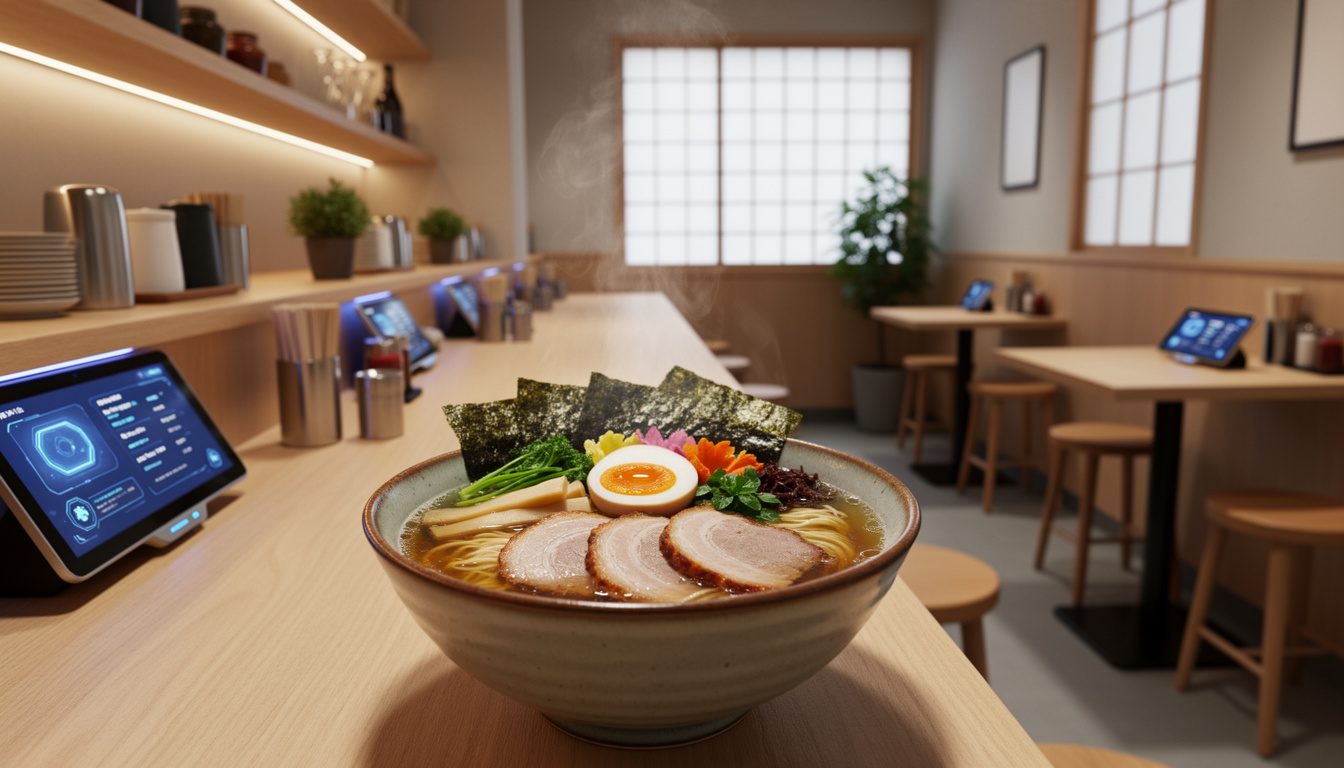
En bref — Quick highlights
- 🍜 Discover the best ramen across Tokyo, from tsukemen at Tokyo Station to creamy tonkotsu in Shibuya.
- 📍 Practical tips on where to eat ramen with cash vs card notes, queue expectations and peak hours.
- 🔥 Flavor anchors: shōyu, miso, tonkotsu, tori-paitan and inventive twists like yuzu shio and tomato ramen.
- 🧭 A concise ramen guide to help travelers map ramen restaurants by neighborhood and taste profile.
- 💡 Budget and logistics pointers linked to travel planning resources for Tokyo food 2026 and beyond.
The city’s noodle obsession is a living culture, and Tokyo in 2026 still rewards any food pilgrim who chases it. Ramen is more than a meal: it’s history folded into broth, texture and ritual. From the steam rising in narrow yokocho alleys to the precise choreography behind a tsukemen service, every bowl tells a story of technique and locality. This piece brings together practical navigation — how to read ticket machines, where chains fit into the scene, and which shops demand patience — with emotional beats: the thrill of a perfect slurp, the heat that lingers after a Karashibi bowl, and the quiet satisfaction of a clear duck consommé in Ueno. Expect concrete tips on payment, queue etiquette, and portion sizing, plus recommendations that span cozy counters and modern, foreigner-friendly restaurants. Use this ramen guide to orient tasting priorities, plan meals around transit, and balance classic Tokyo ramen with the bold ramen trends 2026 that push Japanese noodles into new territories.
Tokyo’s best ramen destinations: top ramen bowls and where to find them
Tokyo ramen is famously diverse — curly Tokyo-style noodles, thick Kyūshū tonkotsu, fragrant yuzu shio and fiery tantanmen all coexist within a few train stops. The following selections showcase bowls that define neighborhoods and set standards for flavor and service. Each entry includes ordering tips, typical wait times and payment notes so readers know exactly what to expect.
Rokurinsha (Tokyo Ramen Street) — tsukemen that commands lines
Located beneath Tokyo Station, Rokurinsha has become synonymous with thick, chewy tsukemen and a dipping broth that balances deep fish and pork flavors. Expect long queues that thread through the corridor; the wait often runs 30–60 minutes but moves relatively swiftly due to high turnover.
What to order: Dip Noodles with Soft-Boiled Egg. Note: cash or IC cards only — prepare accordingly. An insight: tsukemen’s texture contrast is what makes this bowl unforgettable.
Menya Musashi (Shinjuku) — samurai soul and kakuni pork
In Shinjuku, Menya Musashi blends theatrical samurai decor with a “double soup” of pork and seafood. The standout is the braised pork belly (kakuni): thick, tender and richly flavored.
Ordering is streamlined with touchscreen machines that include English; bring cash for some shops. Insight: the marriage of pork depth and clear seafood notes creates a balanced, memorable bowl.
Fuunji (Shinjuku) — precision tsukemen with an umami punch
Fuunji’s reputation rests on a dipping broth built from chicken and fish, uplifted by a dashi powder that intensifies umami. The line often wraps out the door, and customers queue directly behind diners; the rhythm of service is a lesson in efficiency.
Order the Deluxe Tsukemen and choose noodle size without extra cost. Cash only. Final thought: the intense broth reveals why texture and seasoning are equally vital to a top ramen bowl.
Specialty bowls and creative ramen restaurants Tokyo food 2026 is talking about
Beyond classics, Tokyo’s ramen artisans continue to innovate. From duck-based clear broths to Thai-inspired ramen, these shops reflect ramen trends 2026: lighter broths, vegetable-forward bowls, and hybrid flavor experiments. Each spot below offers a distinct emotional and taste experience.
Nakiryu (Otsuka) — Michelin pedigree and affordable excellence
Nakiryu once held a Michelin star for multiple years, and its tantanmen remains a benchmark for spicy, nutty, sesame-rich ramen. The thin handmade noodles snap perfectly against the creamy, chili-laced broth.
Tip: ticket machines may be Japanese-only but staff provide numbered English menus when needed. Rule: one bowl per person; order large if hungry. Insight: exceptional technique can make a simple concept sing.
Karashibi Miso Ramen Kikanbo (Kanda) — a theatrical, numbing spice journey
Karashibi is an experience as much as a meal. The atmosphere—demon masks and taiko—sets expectations for a broth that blends chili heat with Sichuan peppercorn numbing sensation. The Premium Ramen delivers huge slices of pork belly that counterbalance the intense spices.
Choose spice levels carefully. Insight: this bowl challenges the senses and rewards daring diners with a visceral memory.
Kamo to Negi (Ueno) — duck confit and refined clarity
Kamo to Negi offers a welcome break from heavy pork: a clear, savory duck-based broth paired with customizable green onion toppings. The duck confit slices are tender and add sophisticated depth without oiliness.
Buy a ticket before queuing and be ready to choose onion types when asked. Insight: clarity of broth can be as emotionally satisfying as the richest tonkotsu.
Chains, newcomers and ramen trends 2026: what to expect
Chains like Ichiran and Ippudo offer consistency and accessibility, useful for newcomers or late-night cravings. Meanwhile, small innovators push boundaries with vegan bowls, abura soba, and regionally inspired mashups. Understanding these categories helps plan where to go based on mood and logistics.
Ichiran and Ippudo — reliable classics for travelers
Ichiran’s solo booths and fully customizable tonkotsu are ideal for first-timers and solo travelers. Many locations accept cards and some are open 24/7. Ippudo offers a modern seating layout and English menus, making it family-friendly and easy to approach.
What to order: Ichiran 5 set for extra toppings; Ippudo’s Shiromaru Classic for purists. Insight: consistency is a comfort in Tokyo’s sprawling ramen landscape.
Creative spots: Afuri, Bassanova, and Tokyo Aburagumi
Afuri’s yuzu shio brings citrus brightness to chicken broths. Bassanova mixes Thai green curry notes into ramen, while Tokyo Aburagumi celebrates oil-based abura soba that flips the broth paradigm. These shops reflect how Japanese noodles evolve through cross-cultural inspiration.
Try a low-salt yuzu shio or a vegan Uzu bowl for a trend-forward tasting. Insight: novelty can reveal new emotional connections to ramen’s basic elements.
Practical ramen guide: money, machines, timing and etiquette
Navigating ramen shops requires small practicalities: some machines are cash-only, others accept cards or IC transit cards. Typical ramen prices hover around ¥700–¥1200, with extras adding ¥100–¥300. Travelers should balance culinary ambitions with timing to avoid long waits.
- 💴 Cash vs card: many top ramen shops prefer cash — check ahead and learn how much cash to bring to Japan.
- ⏱️ Peak times: avoid 12:30–13:30 and 19:00–20:00 for shorter waits.
- 🎫 Ticket machines: study pictures or use numbered English menus when provided.
- 🍜 Ordering: specify noodle firmness and oil level where available for the perfect bowl.
- 🗺️ Planning: combine ramen stops with a transit-friendly seven-day Japan itinerary to maximize neighborhood coverage.
Insight: small logistical choices shape the quality of the ramen experience more than expected.
| Shop 🍜 | Style 🔥 | Neighborhood 📍 | Typical wait ⏳ | Payment 💳/💴 |
|---|---|---|---|---|
| Rokurinsha | Tsukemen 🍥 | Tokyo Station | 30–60 min ⏳ | Cash / Suica 💴 |
| Fuunji | Tsukemen 🐓🐟 | Shinjuku | 30–90 min ⏱️ | Cash only 💴 |
| Nakiryu | Tantanmen 🌶️ | Otsuka | 15–45 min ⏳ | Cash (English menus) 💴 |
| Ippudo | Tonkotsu 🐖 | Ginza / Roppongi | 10–30 min ⏱️ | Card accepted 💳 |
Insight: comparing style, location and payment helps pick the right bowl for mood and timing.
Top tips for ramen hunting in Tokyo — a compact checklist
- 🥢 Learn a few ticket-machine basics or have a translation app ready.
- 🕒 Visit earlier or later in service to reduce queues.
- 💧Many shops provide self-serve water; keep tissues if ordering spicy bowls.
- 🎒 If staying multiple days, check meal budgets using a food cost guide like food cost Japan per day.
- 📸 Respect photos rules — some chefs prefer no pictures of preparation.
Insight: a little prep turns ramen hunting from guesswork into a curated tasting tour.
Where ramen sits within Tokyo’s broader noodle culture and ramen trends 2026
Ramen remains part of a larger noodle ecosystem that includes soba and udon. In 2026, trends emphasize sustainability, vegetable-led broths, frozen restaurant-quality ramen vending machines, and artistic presentations — yet classic techniques still anchor the scene.
Examples: vegan ramen at Uzu inside an art exhibition, farm-to-bowl concepts in Mensho outlets, and the rise of limited-edition collaborations between chefs and digital artists. These shifts keep Tokyo ramen dynamic and emotionally resonant for both locals and visitors.
Insight: tradition and innovation coexist, ensuring that each bowl connects past technique with contemporary taste.
Watching short shop profiles helps plan which neighborhoods to prioritize and gives a sense of service style before arrival. Insight: visual prep reduces decision fatigue on the ground.
Understanding local etiquette — slurping is praise, finish the broth if offered, and avoid lingering at counter seats — enhances respect and enjoyment. Insight: etiquette unlocks more authentic experiences.
What’s the difference between tsukemen and regular ramen?
Tsukemen serves cold or room-temperature noodles alongside a separate hot dipping broth. The noodles are usually thicker and chewier, and the method emphasizes contrasting textures. It’s a different rhythm from eating a single-bowl ramen and often delivers more concentrated flavor.
How much should a ramen-focused meal cost in Tokyo?
Typical ramen ranges from ¥700–¥1,200. Extra toppings add ¥100–¥300. For budgeting across a trip, consult practical meal-cost guides like the food cost resource linked above to estimate daily spending.
Do top ramen shops accept credit cards?
Many independent ramen shops prefer cash or IC transit cards; some chains accept cards. It’s wise to carry cash for specialty shops — see recommendations on how much cash to bring to Japan for planning.
Can vegetarians find good ramen options in Tokyo?
Yes. Yuzu shio bowls, some vegan ramen spots (like Uzu), and plant-forward menus at newer shops cater to vegetarians. Calling ahead or checking a shop’s online menu helps avoid surprises.