En bref
- 🍣 Best sushi in Tsukiji still means sushi at peak seafood freshness—many restaurants source daily from the Tsukiji market.
- ⏰ Lines at famed counters (Sushi Dai, Daiwa) reward patience with melt-in-the-mouth nigiri; timing and strategy matter.
- 🎯 Omakase is the quickest route to tasting the freshest fish; ask for seasonal pieces and local specialties.
- 💸 Plan budget and itinerary with local tips—see a practical 7-day Tokyo itinerary and a useful Japan travel budget guide.
- 📍 Tsukiji’s Outer Market remains a vibrant hub for Tokyo sushi and authentic Japanese cuisine.
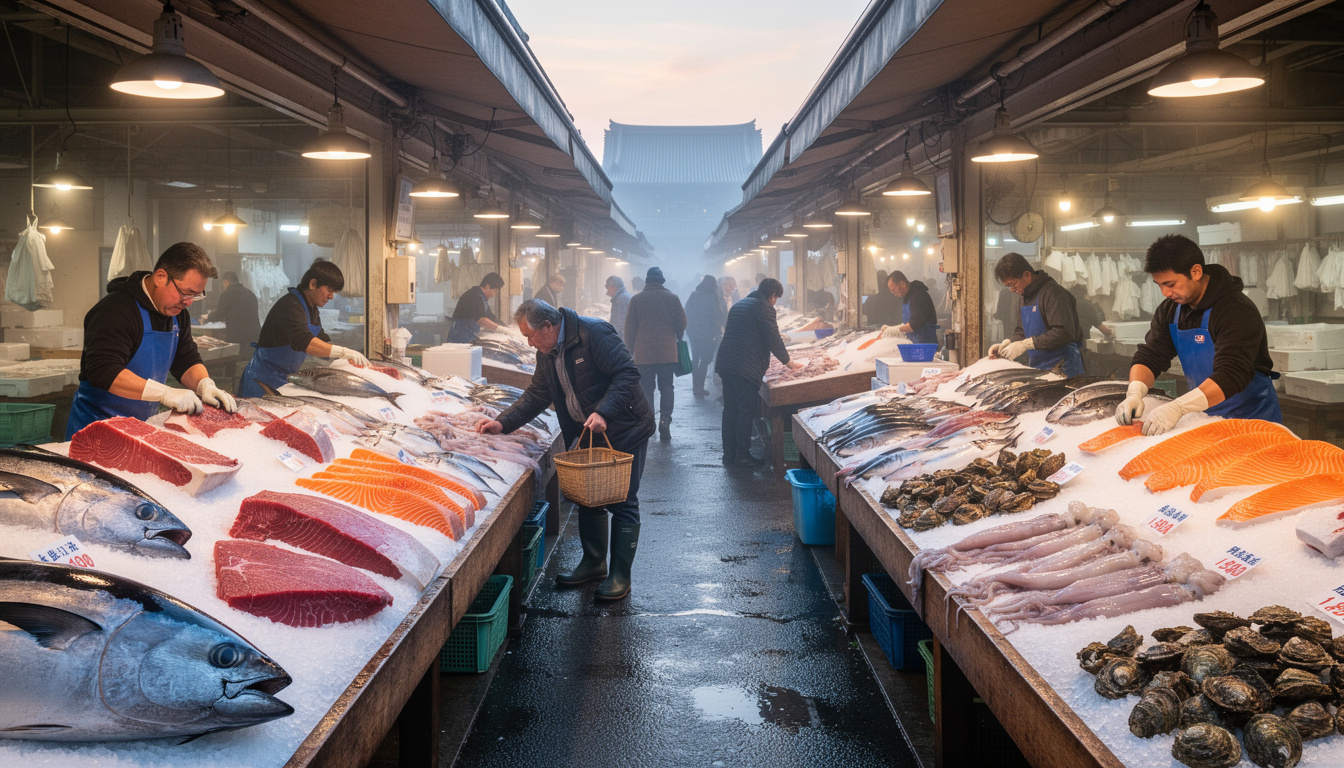
Best sushi in Tsukiji: where can you find the freshest fish? A vibrant corridor of chefs, stalls and tiny counters keeps the culinary heart of Tokyo beating. Though the wholesale tuna auctions moved to Toyosu in 2018, the Tsukiji market of 2026 retains an electric atmosphere: merchants still unload morning catches and sushi chefs buy directly, turning fish from crate to nigiri in minutes. The result is sushi dining centered on immediate quality—flaky kinmedai whose texture and sweetness reveal the day’s tide, and toro cut with that perfect marbling only top-tier supply chains deliver. For travelers, choosing the right counter is about more than reputation: it’s timing, the chef’s relationship with suppliers, and knowing which menus favor raw, lightly-seared, or marinated preparations. Practical tips—when to arrive, how to order omakase, and where to find calmer counters with equal quality—can transform a good meal into an unforgettable one. This guide, informed by extensive visits to Japan and intimate knowledge of market rhythms, maps the best spots, explains the role of seafood freshness in flavor, and offers concrete strategies to savor the very best of Tokyo sushi. Strong insight: in Tsukiji, the shortest path to the freshest fish is often a chef who purchases hourly and serves immediately.
Best sushi in Tsukiji: why seafood freshness defines the experience
The unmistakable hallmark of top Sushi restaurants around Tsukiji is seafood freshness. When fish moves from market stall to cutting board within the same hour, textures remain delicate and flavors sing without heavy seasoning.
Chef-customer trust is forged on this immediacy: counters that work with trusted suppliers yield cuts that showcase seasonal variance—uni from Hokkaido in spring, sweet aji in early summer. This explains why many visitors chase long queues; freshness equals peak taste. Key insight: freshness is not just about rawness, but about timing, handling, and the chef’s skill in finishing the fish.
Sushi Dai and Daiwa: two legends, two approaches to the freshest fish
Sushi Dai and Daiwa Sushi are emblematic of Tsukiji’s pull. Both buy from the market daily, yet each expresses freshness differently: one emphasizes delicate seasoning and rice balance, the other accentuates bold cuts and immediate texture contrasts.
Lines are common at both counters; an early arrival or strategic mid-morning slot reduces waiting time. For travelers balancing time and taste, the reward is consistent: the freshest fish translated into unforgettable nigiri. Final takeaway: choose based on style—subtle finesse or robust cuts—and trust the chef’s instinct.
Sushi Zanmai: 24/7 access to Tsukiji-style sushi
Sushi Zanmai offers an unusual promise in the sushi world: accessibility. Open long hours, it brings market-style freshness to a wider audience without demanding a dawn schedule.
The chain’s scale allows procurement of excellent fish across the day; while the ambiance differs from intimate counters, the quality remains solid—especially for those seeking late or flexible Sushi dining options in Tokyo. Key insight: convenience plus consistent sourcing makes Zanmai a dependable choice for late-night cravings.
Harenohi Shokudo and hidden gems for seafood lovers
Smaller spots like Harenohi Shokudo demonstrate that the freshest fish isn’t only at famed counters. Tucked behind the main alleys, these kitchens craft focused menus where a few perfectly sourced items steal the show.
Expect short menus, seasonal specials, and friendly service. These places often provide the same level of seafood freshness with less fuss and friendlier prices. Final insight: seeking side streets reveals exceptional value and equally fresh fish.
How to secure the freshest fish: practical tips for Tsukiji sushi dining
Strategy matters as much as appetite. The freshest fish experience combines timing, menu choices, and respectful ordering habits that honor the chef’s craft.
- ⏰ Arrive early (before 8:30) to beat the crowds and see morning deliveries. 🚶♂️
- 🍽️ Opt for omakase where possible—chefs select the very best of the day. 🎌
- 🗣️ Use simple English phrases or point to display items; many counters are English-friendly. 🗂️
- 💡 Try seasonal items and ask for recommendations—trust the chef’s relation to suppliers. 🐟
- 💳 Budget realistically: market-fresh nigiri can be affordable or luxurious; plan with a travel budget guide like the one here: Japan travel budget guide. 🧾
Key insight: timing plus omakase multiplies the odds of tasting the absolute freshest fish available that day.
Top sushi restaurants in and around Tsukiji: quick comparison
Below is a compact table to compare standout counters by what matters most: style, signature item, typical price range, and proximity to station. Each entry highlights the specific freshness angle to expect.
| Restaurant 🍣 | Specialty 🔎 | Price (typical) 💴 | Distance from Tsukiji Station 🚶 |
|---|---|---|---|
| Sushi Dai 🍣 | Omakase, morning tuna cuts 🐟 | ¥¥¥ (mid-high) 💸 | 2 min walk 🚶♀️ |
| Daiwa Sushi 🍣 | Robust cuts, seasonal nigiri 🌊 | ¥¥ (moderate) 💴 | 3 min walk 🚶 |
| Sushi Zanmai 🌙 | All-day access, consistent supply 🕒 | ¥ (budget to mid) 💰 | 5–10 min walk 🦶 |
| Harenohi Shokudo 🎯 | Focused menu, hidden gem specials 🍥 | ¥ (affordable) 🪙 | 4 min walk 🚶 |
Concrete example: a traveler following this guide who times a mid-morning visit to Daiwa can often watch wholesalers unload a crate of fresh aji—then taste it as nigiri within the hour. Insight: seeing the supply chain in action clarifies why Tsukiji remains synonymous with freshest fish.
Budgeting and planning for a Tokyo sushi pilgrimage
Understanding costs helps set expectations: a market counter omakase might be a moderate splurge, while a casual donburi or standing sushi bar is wallet-friendly. For day-to-day food costs and budgeting tips, consult pragmatic guides that break down meal prices and itinerary impacts.
Resources such as detailed food price guides and budget itineraries make it simple to allocate funds for a few standout sushi dinners without compromising the rest of the trip. Final insight: planning budgets around a couple of high-quality sushi meals yields the best return on taste and memory.
- 📊 Use a food cost guide to estimate daily expenses. 🍜
- 🧭 Slot a premium omakase night midway through the trip to optimize freshness and variety. ✨
- 🎒 Backpackers can still access market-quality sushi—see practical tips at backpacking budget resources. 🧾
Fil conducteur: the story of Hiro, a market courier
Hiro, a fictional market courier who ferries seafood crates each dawn, embodies the rhythm of Tsukiji. His day begins with crates sorted by temperature, destined to familiar chefs; those relationships ensure certain counters receive the best catches.
This human chain—courier, wholesaler, chef—explains why restaurants with long-standing ties to suppliers consistently serve the freshest fish. Insight: local relationships and logistics often trump fame when freshness is the priority.
Useful checklist before heading to Tsukiji
- 🕗 Check opening times and aim for early slots.
- 🎫 Prepare cash—some small counters prefer it.
- 🍣 Decide between omakase and à la carte.
- 📸 Respect the counter: small cameras are okay, but avoid flash during service.
- 🌊 Ask about today’s catch to target the freshest pieces.
Key insight: a short, practical checklist removes friction and maximizes the chance to taste top-tier Tokyo sushi.
When is the best time to visit Tsukiji for the freshest sushi?
Early morning is ideal—arriving before 8:30 a.m. offers the best chance to see fresh deliveries and sit at counters that buy hourly. Mid-morning can still be excellent if chasing specific items, while evenings suit places like Sushi Zanmai that source steadily through the day.
Is omakase always the best way to taste the freshest fish?
Omakase gives chefs the freedom to serve what’s at peak quality that day, making it the most reliable route to tasting the freshest offerings. À la carte can be equally fresh if ordering only items marked as daily or seasonal specials.
Are there budget-friendly sushi options in Tsukiji?
Yes. Standing bars, small donburi shops, and lesser-known counters in side alleys offer market-fresh seafood at lower prices than famous omakase counters. Using a food cost guide helps allocate funds wisely.
How has the 2018 move of the inner market to Toyosu affected Tsukiji sushi?
While the wholesale auction moved to Toyosu, Tsukiji’s Outer Market remains a vibrant retail and restaurant district. Many sushi restaurants maintain direct supply chains and continue to serve exceptionally fresh fish, preserving Tsukiji’s culinary relevance.