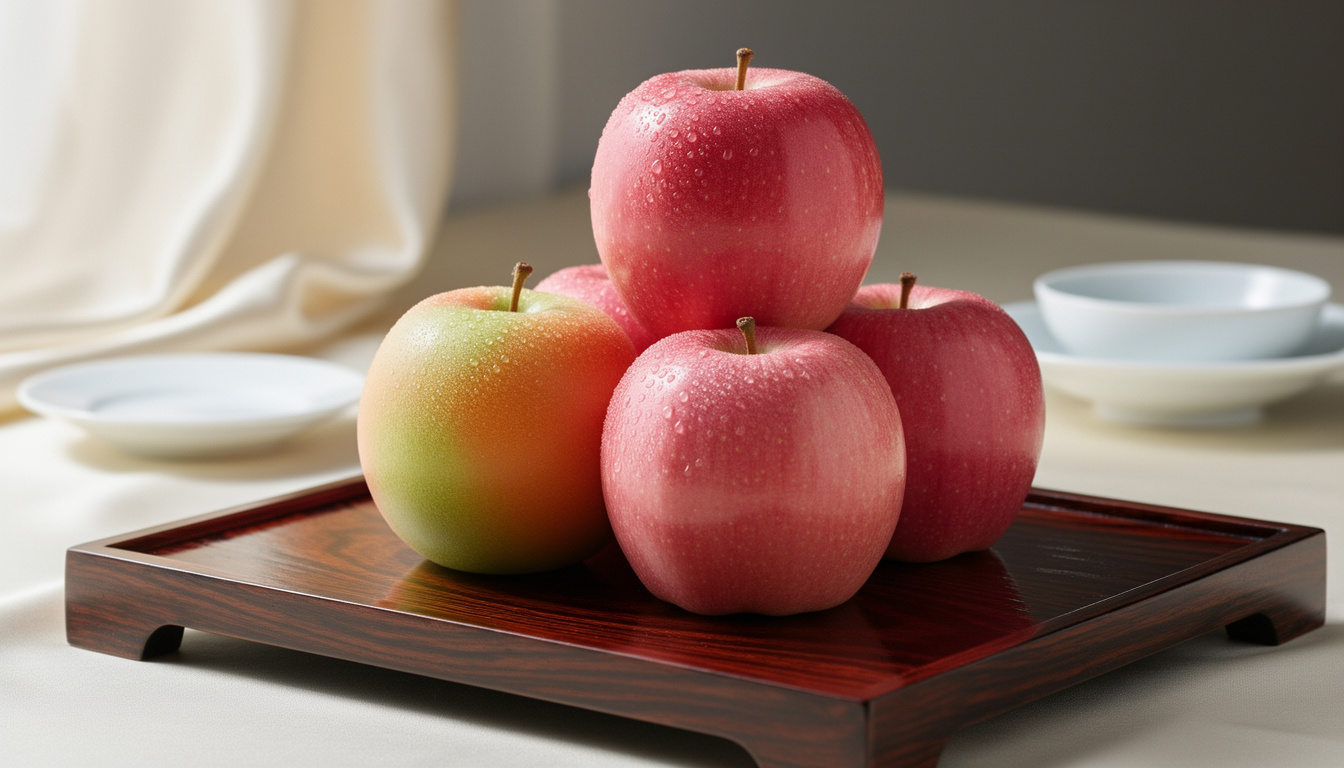
- 🍈 Expensive Japanese fruit often blends luxury, meticulous cultivation, and strict seasonality.
- 🎁 Gift-giving traditions and elaborate packaging inflate prices, turning fruit into a status symbol.
- 🌱 Limited arable land and owner-operated farms create rarity and drive artisanal methods that prioritize taste and premium quality.
- 💡 Travelers can still enjoy affordable seasonal fruit by shopping local markets or farm stands.
- 🔎 Explore Japanese food culture further with curated lists of local specialties: best food to try in Japan.
A coastline of meticulous orchards and urban storefronts full of jewel-like boxes: the story behind expensive Japanese fruit reads like a cultural love letter. In Japan, fruit is rarely just fuel — it is crafted, presented and exchanged. Centuries of agricultural focus on rice left scarce land for other crops, and post-war policies reinforced small, owner-run plots where quality trumps quantity. Farmers prune, thin and sometimes even massage melons; entire seasons are orchestrated to deliver a single perfect specimen. This obsession produces astonishing examples — from square watermelons and white strawberries to golf ball-sized Muscat grapes — each commanding prices that baffle overseas visitors. But price is not mere spectacle. It reflects a matrix of labor-intensive cultivation, exacting aesthetics, seasonal scarcity and a powerful gift culture that prizes presentation as much as flavor. For a traveler or gourmand, understanding why a Hokkaido cantaloupe once fetched enormous sums or why Muscat grapes retail at premium rates reveals more about Japanese values than about fruit economics alone. The result is edible art: fragile, fleeting and intensely desired. The next section peels back the agricultural and cultural layers to explain how this market evolved — and how to taste its rewards without paying the top-tier price.
Why are Japanese fruits so expensive? Agricultural limits and artisanal cultivation
Japan’s terrain and policy choices make arable land a rare commodity. Most tillable soil is devoted to rice, leaving small parcels for orchards and gardens. Farms tend to be owner-operated and compact, which reduces mechanization and scale.
That constraint encourages intense, manual methods: growers often limit fruit per vine, prune relentlessly and use labor-heavy techniques to guarantee premium quality. These practices yield higher sugar content and flawless skins, but also massively raise production costs. The insight: scarcity of land + human craftsmanship = higher retail prices for fruit.
Examples and a field story: Saito Farm’s pursuit of perfection
At a fictional but typical place called Saito Farm, each vine is tended by the owner-family. Only one melon is left on a vine; others are removed to concentrate sugars. Workers track ripeness, weather and soil daily — an approach that produces fruit labeled as luxury and sold to department stores and specialty shops.
Saito Farm’s model explains why some melons and grapes command extraordinarily high prices: the cost reflects deliberate choices to prioritize taste and appearance over volume. This narrative clarifies that the premium is not arbitrary, but a price for craft, time and guaranteed excellence.
Luxury, packaging and gift culture: fruit as social currency
In Japan, fruit frequently functions as a gift rather than a simple snack. Presentation matters: wooden boxes, silk wrapping and immaculate labeling transform fruit into tokens of respect or celebration. Retailers invest in packaging that reinforces the fruit’s status as a luxury item.
This cultural frame explains why premium fruit is often reserved for special occasions or corporate gifts. The same grapes or melons that sit in a supermarket for everyday consumption are of a different grade than those sold as exclusive presents. Insight: packaging and ritual elevate perceived value and justify higher prices.
Practical angle for visitors: when to splurge and when to save
Tourists often face sticker shock but can still enjoy excellent fruit affordably. In-season fruit at rural farm stalls is significantly cheaper because it skips lengthy transport and premium retail margins. Convenience stores and supermarkets carry average-grade fruit that’s tasty and reasonable.
Tip: look for seasonal markers and local markets to sample fresh produce. For a memorable splurge, buy a single premium specimen to taste the region’s finest; for daily eating, choose local-season fruit or visit produce stalls in the countryside. Final thought: informed choices let travelers enjoy both authenticity and value.
Rarity and seasonality: how timing and selective breeding create value
Selective cultivars — like white strawberries, Muscat grapes and the Densuke watermelon — are developed over years for specific flavors and looks. Limited harvest windows intensify demand, as consumers chase peak sweetness and texture. Combined with small yields per plant, this creates genuine rarity.
Seasonality also drives premium pricing: an out-of-season fruit grown in controlled conditions will cost more because energy, labor and technology substitute for nature. Insight: rarity plus perfect timing equals price.
- 🌾 Cultivation: one-fruit-per-vine methods raise quality but reduce output.
- ⏳ Seasonality: short harvest windows push demand into narrow timeframes.
- 🏷️ Packaging: luxury presentation adds visible and invisible costs.
- 🎁 Gift culture: social customs turn fruit into high-value offerings.
- 🌍 Rarity: limited cultivars and small farms create scarcity that markets reward.
Table of notable Japanese fruits and price drivers
| Fruit 🍒 | Typical retail price 💴 | Premium auction/record price 💎 | Main reasons for premium 🚩 |
|---|---|---|---|
| Densuke watermelon 🍉 | ~$250 | — (rare collector sales) | Distinctive skin, limited Hokkaido cultivation, rarity 🎯 |
| Hokkaido cantaloupes 🍈 | $50–$150 | $27,240 (2016 record) 💰 | Meticulous pruning, auction culture, luxury gifting 🌟 |
| Muscat grapes 🍇 | $15+/lb | Premium clusters often sold individually | Small clusters, sugar concentration, premium quality 🏅 |
| White strawberries 🍓 | $30–$100 per pack | Specialty gift boxes higher | Selective breeding, visual novelty, packaging appeal ✨ |
How markets and retailers shape perception and price
Department stores and specialty shops curate fruit with storytelling: origin, farmer profile and cultivation method are displayed alongside products to justify the premium. Auction houses can further escalate prices by turning top specimens into media events.
This commercial layer amplifies value beyond taste: the narrative — where the fruit came from and how it was raised — is part of the purchase. Insight: branding and storytelling are integral to the premium fruit economy.
Tips for travelers who want the experience without overspending
Seek out regional markets and roadside stands for seasonal bargains. Farmers often sell second-tier but delicious fruit at local prices. Sample one luxury item as an experiential splurge; otherwise, enjoy abundant, well-priced seasonal produce.
Look for tourist information or guided food walks that include market visits — they combine cultural context with affordable tastings. Last insight: sampling across price tiers reveals how craftsmanship, not just price, shapes flavor.
Why are some Japanese melons sold for thousands or tens of thousands?
High auction prices reflect rarity, meticulous cultivation and symbolic value. A few specimens become media events, where collectors and corporations bid for prestige; most melons remain available at conventional premium prices based on quality and origin. 🎯
Can tourists buy luxury fruit to take home?
Yes, but consider perishability and customs rules. For memorable souvenirs, purchase boxed fruit meant for gifting and check local regulations for international transport. For immediate enjoyment, buy and eat locally to taste peak freshness. ✈️🍈
Are there affordable ways to enjoy Japanese fruit?
Absolutely. Buy in-season fruit at farm stands, supermarkets or convenience stores. Visiting rural areas where fruit is grown often yields the best prices and freshest flavor. 🌿
Do packaging and presentation significantly affect price?
Strongly so. Elaborate boxes, gift-wrapping and branded displays add cost but also transform fruit into a ceremonial gift. Presentation is part of the product’s perceived value. 🎁