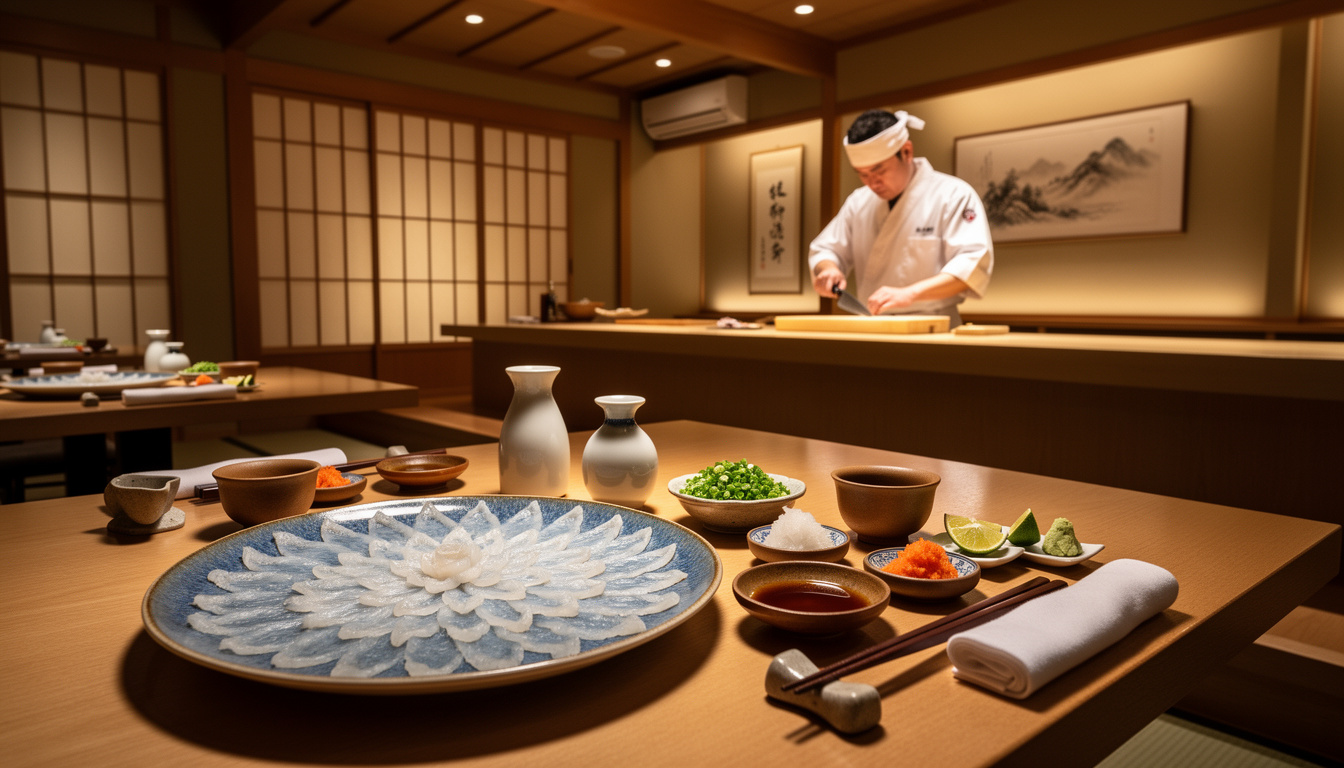
A culinary myth and a calculated expense, Fugu sits at the crossroads of danger and luxury dining. Travel planners and food lovers arriving in Japan in 2026 still find themselves mesmerized by the ritual around this specialty dish: licensed chefs, thin chrysanthemum slices of sashimi, and multi-course kaiseki that can double as an unforgettable souvenir. Prices swing wildly depending on locale — a seaside market plate sold by local fishermen can feel like a daring bargain, while a Michelin-listed course in Tokyo reads like haute couture on a bill. For anyone mapping a food-focused trip, knowing what to expect to pay at a fugu fish restaurant is part budget, part thrill-seeking. This piece untangles the numbers, explains why cost spikes (from fishing quotas to air freight), and gives practical steps for choosing where to taste safely — illustrated through the journey of a fictional travel duo, Hana and Takumi, who chase authentic plates from Karato stalls to Shimonoseki fine dining. Read on to align expectations with reality and turn a once-in-a-lifetime bite into a confident, well-planned experience.
- 📌 Price snapshot: sashimi plates from about $20–60, full-course meals often $200+.
- 📍 Best value: coastal markets and fugu-producing regions offer the lowest costs.
- 🔒 Safety first: only eat at licensed restaurants or buy prepared fillets with visible permits.
- ✈️ US availability: legal with licensing; expect higher prices due to import logistics.
- 🎯 Tip: book a trusted restaurant for a clear price range and an expert tasting experience.
Fugu fish restaurant price: typical ranges and what to expect to pay
In Japan, price brackets depend on preparation and provenance. A simple fugu sashimi plate in some markets or casual eateries can be found around $20–60, while seasonally curated omakase or full kaiseki courses at top restaurants commonly reach $200 or more.
Outside fugu-producing regions, Tokyo and Michelin-listed venues command premiums for reputation and skill. If shipping from Japan to the US or other countries is involved, the cost often climbs further because of air freight and handling — a reality that pushes the dining experience into the realm of luxury dining.
Key insight: budgeting for Fugu requires deciding between market authenticity and upscale presentation — each has a clear price trade-off.
Price breakdown by dish type and location
Prices vary by dish: raw tessa (thinly sliced sashimi) is more affordable, while hot pots, fried versions, and multi-course menus escalate costs. Regional markets in Kyushu or Chūgoku often sell single plates very cheaply compared with central Tokyo.
Expect to see clearer pricing in local fish markets; top restaurants will list course prices or require reservations and deposits.
Key insight: choosing dish type and location is the most effective lever to control how much one will pay for fugu.
Why fugu is expensive: scarcity, regulation and preparation costs
Fugu price isn’t just culinary theatre — it reflects ecology and regulation. Tiger puffer (torafugu) faces pressure from overfishing; quotas and limited seasons since the early 2000s have tightened supply and driven up market value.
Preparation is another cost driver: chefs undergo rigorous training and must obtain official licenses to prepare and serve fugu. This expertise, plus restaurant overhead and safety inspections, all feed into the final bill.
Key insight: the cost of fugu is rooted in both natural scarcity and the human resources needed to make the dish safe.
How licensing and safety affect price
Since 1958, chefs who prepare fugu must be licensed, and many apprentices spend years mastering the process. Restaurants display permits, and grocery-prepared fugu fillets are also required to show documentation, ensuring traceability.
These legal and safety steps add operational expense, which customers ultimately pay for — a premium for both taste and relative security.
Key insight: paying more often buys certified preparation and lower risk — a non-negotiable for many diners.
Where to eat fugu in Japan: regional variations that change the price
Cities like Shimonoseki (nicknamed the home of fugu) and markets such as Karato are hubs where local supply keeps prices competitive. In Tokyo, specialty restaurants and Michelin-listings raise expectations for both presentation and bill.
Street-market plates or festival stalls can offer startling bargains, while dedicated fugu restaurants present structured menus and higher costs.
Key insight: traveling to fugu-producing regions can reduce the price while delivering a richer cultural tasting context.
| Dish / Setting 🍽️ | Typical price in Japan (¥ / $) 💴 | Typical price abroad (USD) ✈️ | Notes 📝 |
|---|---|---|---|
| Fugu sashimi (tessa) 🍡 | ¥2,000–¥7,000 (~$15–$50) 💠 | $20–$60 🇺🇸 | Thin slices; often served in markets with lower overhead. |
| Fugu hot pot (nabe) 🍲 | ¥6,000–¥12,000 (~$45–$90) 🔥 | $60–$150 | Comforting winter specialty; feeds two to three. |
| Full-course omakase / kaiseki 🥢 | ¥20,000+ (~$150+) 💎 | $200+ (imported/chef fees) | High-end seasonal menu; includes multiple preparations. |
| Market plate / festival offering 🎪 | ¥1,000 (~$7) 🐟 | Varies | Best value but verify vendor licensing; great for adventurous travelers. |
Buying fugu outside restaurants: grocery options and legality
Prepared, packaged fugu is sometimes sold in grocery stores in Japan — but vendors must display permits. Whole live fish generally aren’t sold to the general public; regulations restrict the sale of dangerous parts.
In the US and other countries, fugu is not universally banned but requires specific licenses to serve. Import costs and legal compliance drive up the price when a dish is prepared outside Japan.
Key insight: buying prepared fugu from licensed vendors can be cheaper than restaurant courses, but paperwork and safety remain essential.
Taste, texture and whether it’s worth the cost
Flavor-wise, fugu is often described as a mild whitefish with subtle umami and a clean finish. Texture ranges from delicate sashimi to slightly chewy when cooked, and many diners prize the contrast between preparation styles.
Some tasters argue the experience — the ritual, the danger, the rarity — is as valuable as the taste itself. Others find the flavor too subtle to justify premium prices.
Key insight: deciding if fugu is “worth it” blends personal taste with appetite for ritual and exclusivity.
Practical tips for travelers who want to try fugu
- 🧾 Check for visible licenses at restaurants and vendors.
- 🗺️ Visit producers’ regions (Shimonoseki, Kyushu) for better value and fresher supply.
- 📅 Eat fugu in winter months (December–January) when it’s traditional and freshest.
- 💬 Ask for course price upfront — many restaurants offer set menus to avoid surprises.
- 🔁 Pair fugu tasting with other local dishes to balance cost and experience.
Key insight: transparent communication and smart location choices are the easiest ways to control cost and maximize enjoyment.
Is eating fugu safe in Japan?
Yes, when prepared by licensed chefs or sold by authorized vendors. The licensing system requires rigorous training to remove toxic organs and ensure safe fillets, so choose restaurants that display their permits.
How much should a traveler budget to try fugu?
Expect a sashimi plate to cost roughly $20–60 and a full-course experience to start around $200. Prices are lower in fugu-producing regions and higher in major cities or when imported abroad.
Can fugu be purchased in grocery stores?
Prepared fugu fillets may appear in grocery stores in Japan if the seller displays official licensing. Whole fish are typically not sold to the general public due to safety regulations.
Is fugu legal outside Japan?
It is legal in some countries under strict licensing and import rules. In the US, for example, vendors must hold permits to sell or serve pufferfish, and import logistics increase the final cost.
Why does fugu sometimes cost hundreds of dollars?
High prices reflect limited supply (overfishing and quotas), skilled licensed preparation, restaurant reputations, and the logistics of serving or importing a dangerous fish — all of which add tangible costs.