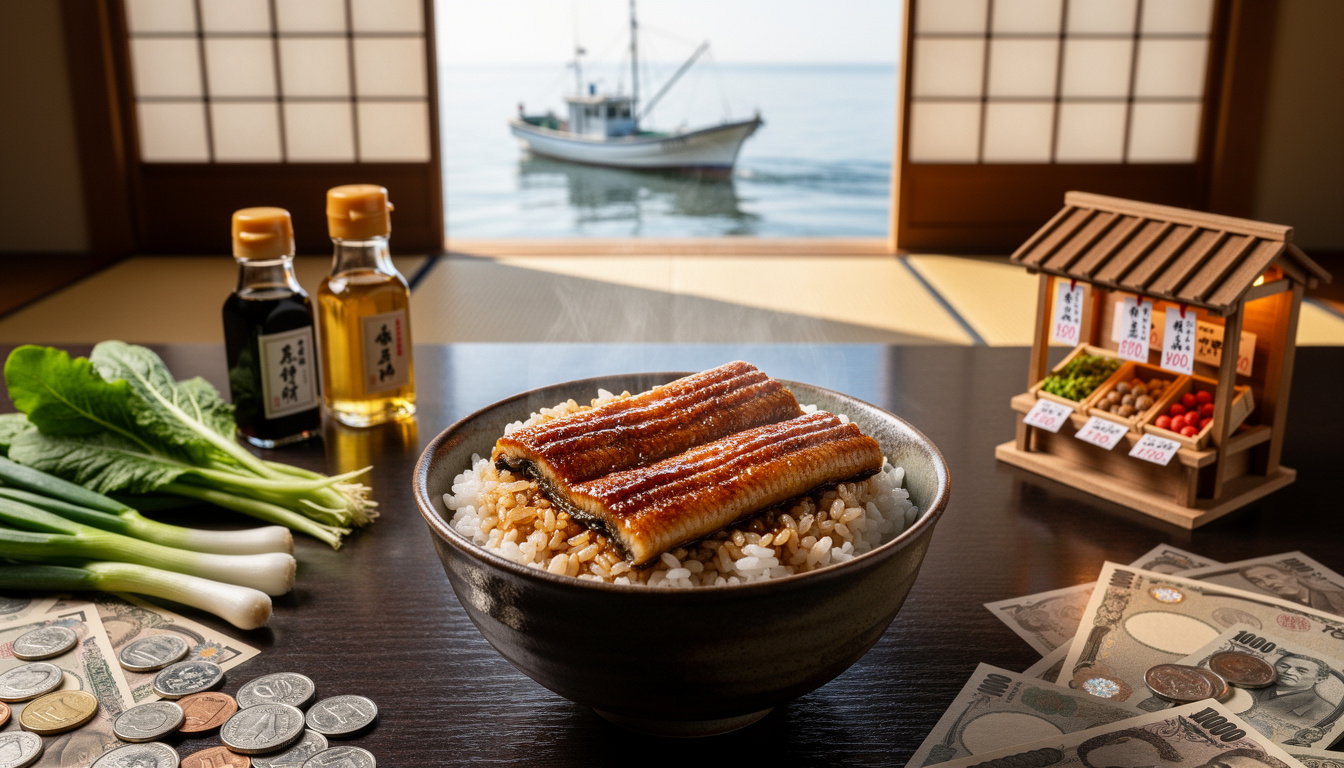
The glossy lacquered fillet of Unagi glazed over steaming rice tells a story that goes far beyond flavour: it exposes a web of market pressures, environmental shifts and culinary choices that together shape the price of a beloved dish. This piece untangles the most decisive factors that influence the cost of unagi rice, from the fragile supply of glass-eel fry and aquaculture limits to traveller-driven demand, currency swings and rice quality standards. Stories from urban izakayas to rural eel farms illustrate how provenance, grading and preparation techniques translate into the premium seen on menus. Practical insights for chefs, restaurateurs and travellers explore how to read prices, spot quality, and anticipate seasonal hikes. By linking ecological realities—lower catches, warming waters—and economic signals—exchange-rate movements, import rules—the article shows that the Unagi rice price is the visible tip of a complex market iceberg. Readers will find concrete examples, a short field case of a Tokyo chef adapting menus, and actionable tips to navigate cost vs quality when ordering or sourcing unagi in 2026.
- 📝 Key takeaway: Supply shortages and rising costs of inputs are the main drivers of higher unagi rice prices.
- 🌊 Environmental angle: Climate and fry declines directly reduce supply and push the market.
- 💱 Economic triggers: Currency moves and trade policy shift the imported cost base and restaurant margins.
- 🍚 Quality matters: Premium rice and grading of eel raise the final dish cost.
- 🧭 Practical tip: Seek mid-season local specialties for better value without sacrificing quality.
Why Unagi rice price changes: supply, demand and market signals
The price of an unagi rice bowl is shaped by a handful of dominant factors that act together. Reduced catches of juvenile eels (fry), higher aquaculture operating costs, and surging tourist demand compress supply and elevate menu tags.
On the demand side, international travel recovery since pandemic restrictions has placed renewed pressure on restaurants known for excellent unagi. On the supply side, environmental stressors and tighter quotas have produced multi-year lows in fry capture, amplifying scarcity. Insight: these combined pressures create volatile price swings rather than steady rises.
Supply constraints: the journey from glass-eel to plate
Access to baby eels is the first bottleneck. The capture of glass-eel fry has fallen sharply in recent seasons, leading farms to pay premiums for stock. These premiums cascade into production costs and, ultimately, the retail price.
Farm-level expenses — feed, energy, labour and disease control — have also climbed, forcing many producers to consolidate or specialize. A Tokyo kitchen owner, depicted here as a recurring example, had to source fewer whole unagi and pivot to smaller portions to keep the dish accessible. Insight: when the base of the supply chain tightens, every stage marks up the cost.
Quality, grading and the added premium on unagi rice dishes
Not all unagi is equal: grading systems, feeding regimens and butchery technique distinguish standard servings from high-end ones. The choice of rice—from basic steamed short-grain to artisan-polished varieties—further affects the final menu price.
Restaurants invest in specific sauces, charcoal grilling methods and service rituals that command higher prices. These culinary investments are as much part of the product as the eel itself; diners are paying for skill, reliability and provenance. Insight: quality-driven cost increases are often sustainable, because they reflect added labor and craftsmanship rather than short-term market noise.
- 🍽️ Cooking & service: charcoal grilling, tare sauce, skilled labor raise menu costs.
- 🌾 Rice quality: premium polished rice commands a price premium alongside the eel.
- 🐟 Eel grading: size, fat content and freshness directly affect dish pricing.
- 🚚 Logistics: cold chain and rapid shipping for premium suppliers increase overhead.
Market dynamics: currency, trade and annual trends in 2026
Currency volatility plays a decisive role: a weaker yen raises import replacement costs for farms reliant on feed or capital goods, while a stronger yen can temporarily cushion local prices. In 2026, currency and regional trade shifts have been cited by several market analysts as amplifiers of unagi price volatility.
Climate variability and evolving regulations—such as catch limits introduced to protect eel populations—change the long-term supply picture. Technological improvements in aquaculture offer mitigation but require investment. Insight: macroeconomic and environmental drivers together determine whether price fluctuations are transient or structural.
| 🔎 Factor | 📈 How it influences price | 🧭 Illustrative effect |
|---|---|---|
| 🐣 Supply (fry availability) | ⬆️ Scarcity → higher wholesale costs for eels | 🍽️ Smaller portions & higher menu price |
| 💱 Currency & trade | 🔄 Exchange swings change import and feed expenses | 📊 Yearly spikes in operational expenses |
| 🌡️ Climate | ⚠️ Weather affects yields → production instability | 📉 Periodic supply shocks |
| 🍚 Rice & culinary quality | ✨ Premium ingredients increase final dish price | ⭐ Higher perceived value and tourist demand |
Practical strategies for sourcing or ordering unagi rice without overpaying
Seasonality and local knowledge matter. Small, family-run shops often serve exceptional unagi at better value than tourist hotspots, because their supply chains are leaner and menus simpler.
For chefs and buyers, diversifying suppliers and investing in traceability reduces exposure to single-source shocks. For travellers, choosing lunchtime sets or ordering unagi from neighbourhood eateries often yields better value. Insight: informed choices and a little flexibility deliver quality at lower cost.
- 🕒 Tip: order unagi at lunchtime to avoid premium dinner pricing.
- 🗺️ Tip: seek neighbourhood shops rather than tourist-heavy restaurants.
- 🤝 Tip: chefs should build multi-source relationships to spread supply risk.
- 🔍 Tip: look for transparent provenance claims to justify higher prices.
Why has unagi rice become more expensive recently?
Several combined forces—reduced glass-eel catches, higher aquaculture costs, currency fluctuations and stronger tourist demand—have pushed up the wholesale and retail price of unagi rice. These are structural as well as cyclical pressures.
Can price be a reliable indicator of quality for unagi rice?
Price often reflects quality components—eel grading, rice selection, and preparation technique—but not always. Some high-priced offerings price for reputation rather than raw quality; seeking provenance and cooking method details helps assess true value.
How do currency shifts affect local menu prices?
Exchange-rate moves influence the cost of imported feed, equipment and other inputs for eel farms. A weaker local currency raises production costs and tends to increase the menu price, while a stronger currency can temporarily ease pressure.
What can travellers do to enjoy quality unagi without overspending?
Opt for lunchtime sets, ask local guides or neighbours for recommendations, and favour smaller, family-run establishments. Mid-season visits and off-peak days often offer the best balance between price and quality.