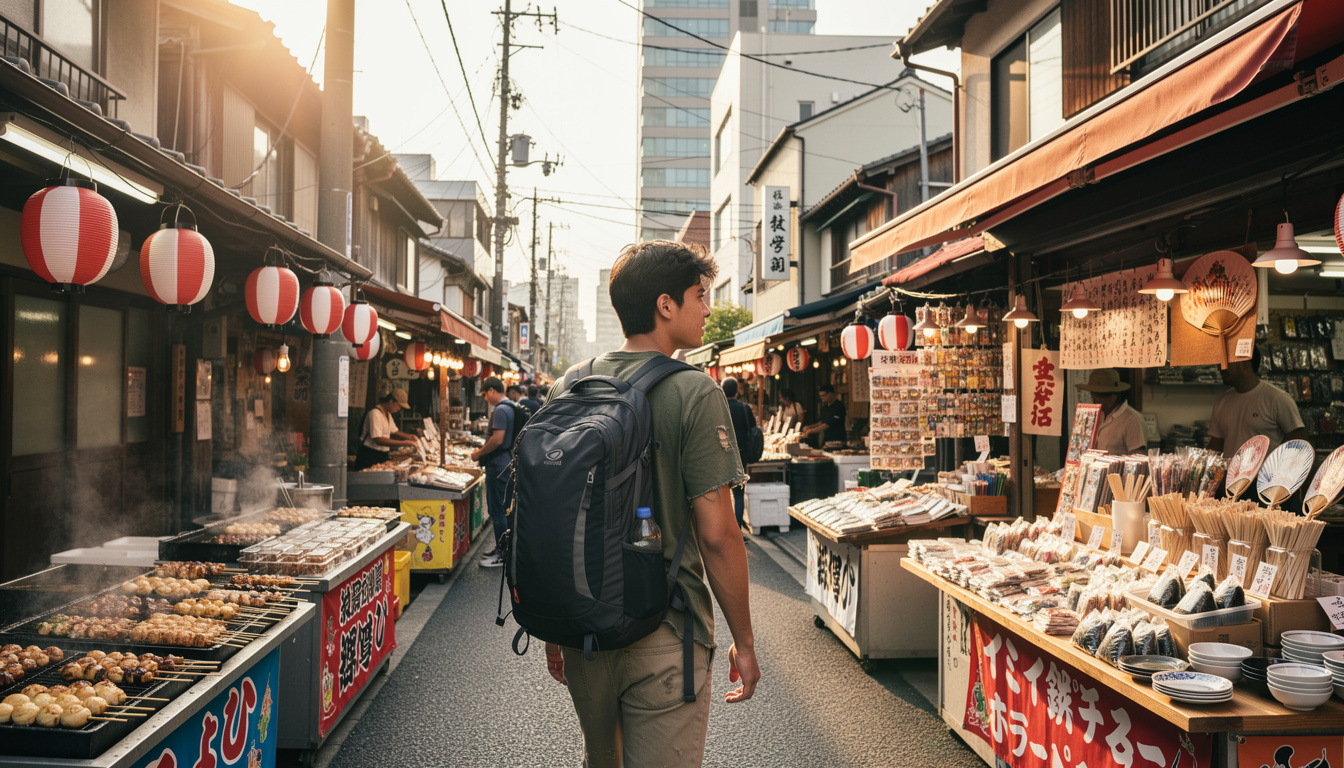
A compact, emotion-rich guide for solo travel Japan on a budget that reads like a local whisper: clear travel planning, cost-saving tactics and streetwise strategies to turn an expensive dream into an unforgettable, affordable reality. The roadmap blends practical numbers with cultural nuance — where to sleep cheap without sacrificing comfort, how to turn Japan’s rail system into a savings engine, where budget-friendly food becomes a culinary highlight, and which underrated cities deliver maximum atmosphere for minimal yen. Along the way, a fictional traveler named Yuki (a pragmatic digital nomad) illustrates real choices: choosing a capsule night in Sapporo, swapping a national JR Pass for a regional ticket, or chasing a matsuri to experience joy for free. The guide is rooted in on-the-ground knowledge and focused on actionable travel tips: affordable accommodation options, cheap transportation hacks, budget-friendly food finds, smart tech for connectivity, and calendar moves that slash costs. Expect clear comparisons, a snapshot table of nightly prices, useful links to detailed resources, and two short videos that show how trains and street food make budget travel in Japan both efficient and soulful. Each section closes with a single insight to carry forward on the route from neon alleyways to temple gardens.
- 🗺️ Solo travel in Japan is surprisingly accessible with the right travel planning.
- 💤 Choose affordable accommodation like capsule hotels or hostels to save big.
- 🚆 Use IC cards and regional rail passes for cheap transportation and massive cost-saving.
- 🍜 Seek markets and yatai stalls for authentic budget-friendly food.
- 📱 Rent a pocket Wi‑Fi or buy a local eSIM to avoid roaming and stay nimble.
Budget-friendly Japan travel: smart sleep choices for solo travel Japan
Finding affordable accommodation is the fastest way to trim daily costs. Capsule hotels and hostels in Japan provide clean, secure, and surprisingly cozy nights for between $20–$40, while less-touristed ryokans can offer traditional comfort at moderate prices. For a deep dive into tiny-pod stays, consult the Capsule hotel guide, which breaks down locations, amenities, and etiquette.
Yuki’s approach: book mixed dorms for social nights in Osaka, then treat two nights in a countryside ryokan for a cultural reset. That mix saves money while delivering memorable experiences.
Key insight: pairing cheap urban pods with occasional local ryokan stays balances budget with authenticity.
Accommodation comparison table — quick nightly cost snapshot
A concise table helps pick the right option at a glance for budget travel planning.
| Type 🛏️ | Typical price (night) 💴 | Why choose it ✨ |
|---|---|---|
| Capsule hotel 🪪 | ¥3,000–¥5,000 (≈ $25–$40) 💸 | Compact, secure, iconic experience 🎌 |
| Hostel dorm 🛌 | ¥2,500–¥6,000 (≈ $20–$45) 🧳 | Social, cheapest per-night option 🤝 |
| Budget business hotel 🏨 | ¥6,000–¥10,000 (≈ $45–$75) 💼 | Private room, good value in cities 📍 |
| Ryokan (off-peak) 🌿 | ¥8,000–¥15,000 (≈ $60–$110) 🍵 | Traditional stay, best outside major centers 🏯 |
Key insight: nightly savings add up fast—mix and match to extend travel days.
Ride the rails: cheap transportation and rail pass strategies for exploring Japan
Japan’s transit system enables efficient, cost-effective movement if the right tools are used. For short regional hops, an IC card (Suica/Pasmo) covers metro and bus fares seamlessly. For longer legs, a national Japan Rail Pass can be worth it—but often a regional JR pass or individual discount tickets produce better cost-saving results for targeted routes. Use a budget calculator to compare options before committing; this prevents overspending on an unnecessary nationwide pass. See an online breakdown to Estimate your Japan trip cost and model train vs. bus scenarios.
Yuki’s rail rule: map long-distance days and only buy a pass if three or more shinkansen rides are planned within a short window; otherwise, regional passes and night buses preserve both sleep and savings.
Key insight: precise route-based planning beats blanket passes for most solo budget trips.
City transport hacks and cheap transportation tips
IC cards reduce friction and sometimes shave a small percentage off fares with stored-value discounts on private rail lines. Night buses and low-cost regional ferries are underrated for long-distance legs when time is flexible. For travelers needing connectivity, pairing transit planning with online cost tools and local SIM or pocket Wi‑Fi reduces surprises; check Pocket Wi‑Fi and eSIM options before departure.
Key insight: combining IC cards, selective regional passes, and night transport yields the lowest total transport spend.
Eat well, spend less: budget-friendly food and market meals
Japan’s culinary landscape rewards curiosity: ramen shops, 100‑yen sushi chains, and bustling markets serve tasty plates for a fraction of restaurant prices. Local markets like Omicho in Kanazawa or Nijo in Sapporo deliver fresh seafood bowls for under ¥1,000. Convenience stores also offer surprisingly varied and affordable meals when time or budget is tight.
Yuki’s food tactic: eat breakfast from a konbini, lunch at a ramen stall, and reserve one special dinner—this pattern keeps daily food costs low while still savoring the cuisine.
Key insight: mixing markets, street stalls, and konbini meals delivers both authenticity and savings.
Quick list — budget-friendly food choices 🍜
- 🍣 100‑yen conveyor sushi — cheap, social, fun.
- 🍜 Local ramen shops — hearty bowls from ¥800.
- 🥪 Convenience stores (konbini) — reliable, cheap meals.
- 🛍️ Fresh markets — affordable seafood and bento options.
- 🍢 Yatai stalls — evening street food and festival snacks.
Key insight: culinary exploration on a budget often becomes the most memorable part of the trip.
Beyond Tokyo: 5 budget solo travel cities to explore Japan affordably
Venturing beyond Tokyo reveals cities where culture, safety and price align: Sapporo, Fukuoka, Kanazawa, Hiroshima, and Osaka each offer unique experiences with lower costs and fewer crowds. These places combine free attractions, cheap eats, and wallet-friendly lodging—perfect for solo travelers seeking authenticity without the Tokyo price-tag.
Yuki’s itinerary template: spend 3–4 nights per regional city, use local day passes, and hunt for free cultural events to stretch the budget while deepening the experience.
- ❄️ Sapporo — winter festivals, cheap seafood markets.
- 🌊 Fukuoka — famous yatai stalls and compact layout.
- 🏯 Kanazawa — gardens and historical streets, low entry fees.
- 🕊️ Hiroshima — peace sites, riverside walks, affordable museums.
- 🍢 Osaka — the kitchen of Japan, endless cheap eats.
Key insight: choosing regional hubs multiplies cultural encounters while reducing daily costs.
Practical route idea and where to stay
For short trips, a north-to-south loop or concentrating on one region (Hokkaido, Kansai, Kyushu) minimizes transit costs. For detailed lodging options across those cities, explore this curated resource on where to stay in Japan, which lists budget areas, hostel recommendations, and neighborhood vibes.
Key insight: regional concentration cuts travel time, stress, and transport expenditure.
Timing, tech and travel planning: practical, cost-saving moves
Timing the trip outside peak cherry blossom and autumn foliage windows drops accommodation and transport prices dramatically. Shoulder seasons—late May, early June, or September—offer pleasant weather and fewer crowds. Tech tools (route planners, budget trackers, offline maps) turn good intentions into savings. For connectivity and affordable internet options, consult the guide for Pocket Wi‑Fi and eSIM options and plan bookings with a clear daily budget in mind.
Yuki uses a simple daily spreadsheet combined with a local eSIM to monitor spending and tweak plans in real time; that tiny discipline extends travel days and reduces last-minute splurges.
Key insight: off-peak travel plus smart tech multiplies every yen spent.
Hands-on travel tips list — practical and emotional travel planning 💡
- 📅 Book mid-week stays for lower rates.
- 🎫 Compare regional JR passes vs. single tickets before purchasing.
- 🍱 Pack one reusable bowl and chopsticks to save when buying takeout.
- 📲 Use offline maps and a local SIM to avoid roaming shock.
- 🎉 Chase local matsuri for free cultural immersion and great street food.
Key insight: small daily habits and a flexible calendar equal big budget wins.
Quick budgeting tools and deeper planning resources for exploring Japan
To convert ideas into a daily budget, try an online cost planner and cross-check typical daily spends. A practical resource to model expenses and adjust plans is the budget calculator, which helps evaluate lodging, transit, and food trade-offs in real time. For accommodation scouting beyond capsules, consult the broader Where to stay in Japan collection to find neighborhoods that match both vibe and budget.
Yuki’s final tip: always run one scenario with shared dorm nights, another with occasional private rooms, and compare total trip costs before booking.
Key insight: modeling multiple budget scenarios prevents buyer’s remorse and unlocks additional travel days.
Is Japan safe and suitable for solo travel on a budget?
Yes — Japan ranks among the safest countries for solo travelers. Low crime rates, reliable public transport and clear signage make it easy to travel alone while keeping costs down by choosing hostels and public transit.
Which city is the cheapest for solo travelers in Japan?
Fukuoka and Osaka often offer the best balance of safety, food affordability and low-cost accommodation among major cities. Smaller regional cities like Kanazawa or Sapporo can also be very budget-friendly outside peak seasons.
Are capsule hotels and hostels safe and comfortable?
Yes — capsule hotels and hostels in Japan are clean, secure, and designed for solo travelers. Many offer female-only dorms and luggage storage, making them a practical choice for budget-conscious visitors.
Should a solo traveler buy a Japan Rail Pass?
A national JR Pass pays off only if multiple long-distance shinkansen trips are planned in a short period. Often, a regional JR pass or individual tickets are more economical. Compare routes and use a budget tool to decide.
How to stay connected cheaply while traveling Japan?
Renting a pocket Wi‑Fi or buying a local eSIM are both cost-effective alternatives to roaming. Check dedicated guides for the best options based on trip length and data needs.