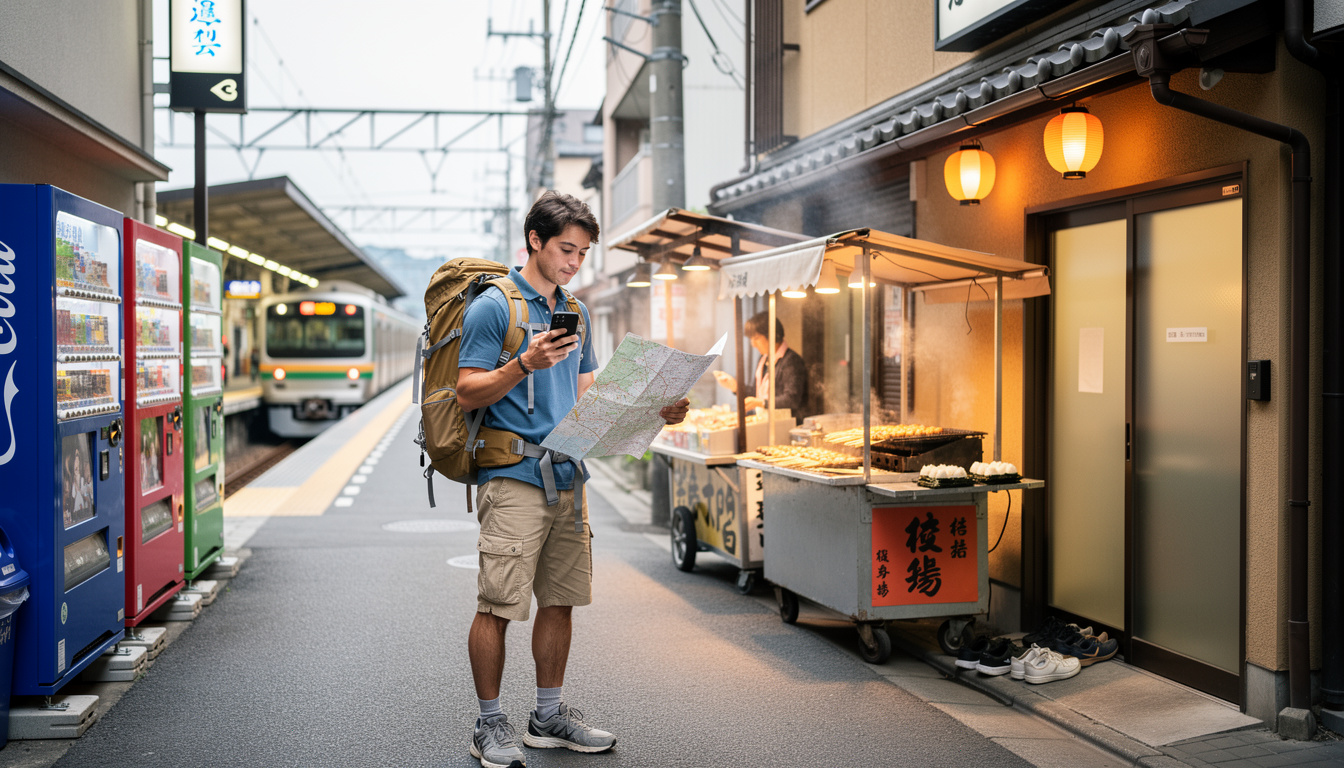
A clear-eyed, passionate guide to backpacking Japan on a shoestring: this piece breaks the myth that the archipelago is unaffordable and hands over concrete strategies to stretch every yen. Travel planning can be emotional—wanting authentic sushi, hot springs at dawn, and bullet-train freedom—while keeping a tight budget. Practical solutions appear at every turn: smart use of discount passes, choosing cheap accommodation like hostels or capsule pods, and embracing Japan’s unbeatable convenience-store cuisine for affordable food. The narrative follows a fictional backpacker, Ava, whose choices—buying a Japan Rail Pass, timing supermarket runs for discounted bento, and sleeping in hostel dorms—turn a dream trip into a realistic plan. This guide merges grounded logistics with the pulse of local culture: onsen etiquette, bargain sushi trains, and off-beat rural routes where nature and tradition cost next to nothing. Expect specific costs, tested apps and platforms, regional passes, the smart balance between time and money, and a tight set of travel tips designed to make backpacking Japan both unforgettable and wallet-friendly. Read on to convert aspiration into itinerary, with emotion, clarity and the practical know-how of someone who’s returned time and again.
- In brief: key takeaways to plan fast ✅
- Buy a Japan Rail Pass for multi-city travel to massively cut train costs 🚄
- Eat like a local: konbini meals, curry, ramen and donburi keep daily food under control 🍜
- Choose hostels Japan or capsule stays, and consider work-exchange to get free nights 🛏️
- Use public transportation day passes, night buses, and budget flights to save time and money ✈️
- Pack an eSIM and a filtered water bottle to cut extras and stay connected cheaply 🌐💧
Backpacking Japan budget: save money on transport with discount passes and smart choices
Transport is the largest line item in most Japan budgets, but that cost becomes manageable with a plan. For multi-city itineraries, the Japan Rail Pass remains the most powerful tool: 7-, 14- and 21-day passes cover nearly all JR trains and make long-distance hops affordable. A 7‑day pass commonly saves as much as a single round-trip Shinkansen between Tokyo and Osaka. Regional passes can shave costs further when staying within one area.
Balance time and price by mixing modes: take the Shinkansen when the extra hours saved matter, choose highway night buses (cheaper and sleep-friendly) for long overnight stretches, and book budget carriers like Peach or Jetstar for distant island hops. Metro and local lines are inexpensive per ride; consider 24‑hour metro day passes in big cities for unlimited travel and simpler budgeting. Ultimately, the right pass converts expensive one-off tickets into predictable, lower daily transport costs.
Public transportation hacks: how to mix JR Passes, buses, metros and budget flights
Public transportation in Japan is a precision machine—use it to your advantage. The JR Pass covers most Shinkansen and many local JR lines; buy it online in advance and plan travel for consecutive days. For city hops, metro fares typically range from 150–300 JPY per journey; a 24‑hour pass (800–1,200 JPY) becomes worthwhile on sightseeing-heavy days.
Night buses run routes that replace pricey trains; fares for Tokyo–Osaka hover around 7,000 JPY and cut accommodation costs overnight. For island travel, domestic budget flights often fall in the 6,000–12,000 JPY range when booked early. Use aggregators like Skyscanner to track deals and set alerts. Tip: factor airport transfer time—short flights sometimes cost more once transfers and security are included.
Eat like a local: affordable food strategies that keep daily costs low
Food can be extravagant—or wonderfully cheap—depending on choices. The magic of budget travel in Japan lies in plentiful value options: convenience-store bento, conveyor-belt sushi, ramen shops, curry and donburi bowls. A frugal daily food plan can stay under 2,000 JPY with occasional treats.
Practical moves include buying groceries at 100‑yen stores, timing supermarket visits after 8pm for discounted prepared meals, and embracing konbini staples (7‑Eleven, FamilyMart) that sell meals under 500 JPY. For sushi cravings, conveyor (kaiten) sushi and lunch sets offer excellent quality for far less than high-end omakase experiences. These choices unlock both taste and savings without missing the culinary heart of Japan.
| Meal type 🍱 | Typical price (JPY) 💴 | Savings tip 💡 |
|---|---|---|
| Konbini bento 🥡 | ~400–700 | Buy after 8pm for discounts 🕗 |
| Ramen bowl 🍜 | ~1,000–1,300 | Eat at local shops off main tourist streets |
| Sushi train (kaiten) 🍣 | 150–700 per plate | Go for lunchtime set menus to save |
| Donburi/curry 🍛 | ~600–800 | Staple cheap, filling, and local |
| 100-yen shop groceries 🛒 | 100 per item | Great for snacks and basics |
Affordable food: simple rules and a shortlist of wallet-friendly meals
Adopt the following rules to keep meals cheap and memorable:
- 🍜 Prioritize ramen, curry and donburi for filling, cheap meals.
- 🛒 Use 100-yen stores for basics and snacks.
- 🍣 Use sushi trains and lunch sets to taste good sushi without splurging.
- 🥘 Cook in hostel kitchens when possible to cut dining costs.
- 🍺 Stick to domestic beer for cheaper nights out (450–800 JPY).
These small adjustments turn food into a source of cultural connection rather than a budget buster.
Cheap accommodation: hostels Japan, capsule hotels, camping and work-exchange
Accommodation in Japan spans from luxe ryokan to capsule pods. For budget travel, hostel dorms (3,800–6,800 JPY) and capsule hotels (~4,500 JPY) provide clean, safe and characterful options. Camping is surprisingly affordable in national parks (basic plots ~600 JPY; pre-pitched ~3,800 JPY) and opens the door to nature-based savings.
Work-for-stay platforms (Worldpackers, Workaway) can secure free nights in exchange for a few hours of help. Couchsurfing communities also exist in Japan and can add local insight. Points and credit-card rewards may unlock free hotel nights—turn travel spend into accommodation savings.
Hostels Japan and the art of swapping time for space
Hostels are the hub of budget travel: meet other backpackers, share tips, and use communal kitchens to slash costs. Many hostels now offer co-working spaces—ideal for digital nomads who need reliable WiFi while keeping the budget in check. Consider these short hacks:
- 🧹 Work a few hours and ask about free nights or discounts.
- 🛏️ Book capsule or mixed dorms to keep per-night rates low.
- 📅 Use loyalty programs (K’s House and others) for repeat-stay discounts.
- 🏕️ In rural areas, scout municipal campsites for cheap nature stays.
These choices reduce nightly costs and enrich travel with social and local exchange.
Budget itinerary: realistic 2-week and 3-week plans that save money Japan-style
Sample itineraries guide daily spending and show where the JR Pass and regional passes shine. Ava, the fictional backpacker used as a thread through this guide, chose a 3‑week mountain-and-city loop that balanced expensive Shinkansen legs with slow regional hops and two nights on buses to cut costs. That balance created room for occasional splurges without breaking the budget.
| Itinerary 🗺️ | Duration ⏳ | Estimated daily budget (USD) 💵 |
|---|---|---|
| Frugal backpacker 🎒 | 3 weeks | $50–$90 |
| Frugal + comfort mix 🧳 | 2 weeks | $90–$170 |
| Comfort traveller ✨ | 2 weeks | $170+ |
Sample 2‑week southern highlights
Day 1–4 Tokyo (use metro day passes). Day 5–7 Kyoto and Nara (temples and free gardens). Day 8–9 Hiroshima + Miyajima (peace park and island day trip). Day 10–14 Okinawa islands (budget flight booked early). Use regional passes and 1-week JR Pass if including Osaka and Kyoto to maximize savings. This plan keeps daily costs controllable while delivering variety and depth. Final thought: plan big moves early, book passes, then let flexible days breathe.
Off the beaten path: affordable gems and free attractions
Beyond the classic loop lie mossy shrines, remote alpine towns and volcanic plateaus that reward exploration—with low costs. Togakushi, Narai-juku, Kyushu’s Aso region and Hokkaido’s lesser‑visited villages are often inexpensive, with cheap local stays and nature-based activities that cost little to nothing.
Many museums and gardens are free or under 500 JPY. In Tokyo, the Grutto Museum Pass bundles many admissions at great value for sightseers. Free walking tours and community events unlock cultural access without big ticket prices. Insight: the quieter places often deliver the richest experiences for the smallest budgets.
- 🎟️ Buy local attraction passes when planning multiple museum or temple visits.
- 🚶 Join free or pay-what-you-wish walking tours for local context.
- 🌸 Time travel for cherry blossom or autumn colours—off-peak weekdays lower costs and crowds.
Is the Japan Rail Pass worth it for backpackers?
Yes—if the route includes multiple long-distance trips (e.g., Tokyo ⇄ Osaka ⇄ Kyoto). A 7‑day JR Pass often pays for itself on a single round-trip Shinkansen, turning expensive individual fares into predictable travel days. For region-only travel, regional or metro passes may be better.
How much should a backpacker budget per day in Japan?
Expect a practical budget of about $90–100 USD per day for dorm accommodation, rail pass amortisation, inexpensive meals and a few paid attractions. More frugal travellers can aim lower by using buses, camping, and konbini meals; comfort travellers should plan $170+ per day.
Where to find cheap accommodation and how to get free nights?
Hostels, capsule hotels and municipal campsites are top cheap options. Use work-exchange platforms (Worldpackers, Workaway) or volunteer placements for room-in-exchange deals. Also leverage credit card points or loyalty programs to score free or discounted nights.
What are the best ways to save money on food in Japan?
Mix konbini meals, supermarket discount runs after 8pm, 100‑yen shop staples, and cheap ramen/curry/donburi joints. Reserve fancy meals selectively; sushi trains and lunch sets deliver great value for quality.
Final travel tips: carry a filtered water bottle to cut plastic and bottled-water costs, download an eSIM before arrival for immediate connectivity, and always check regional passes and discount windows. With a mix of planning and curiosity—plus a feel for when to save and when to splurge—backpacking Japan becomes less a budget challenge and more a sequence of unforgettable, affordable experiences. ✨