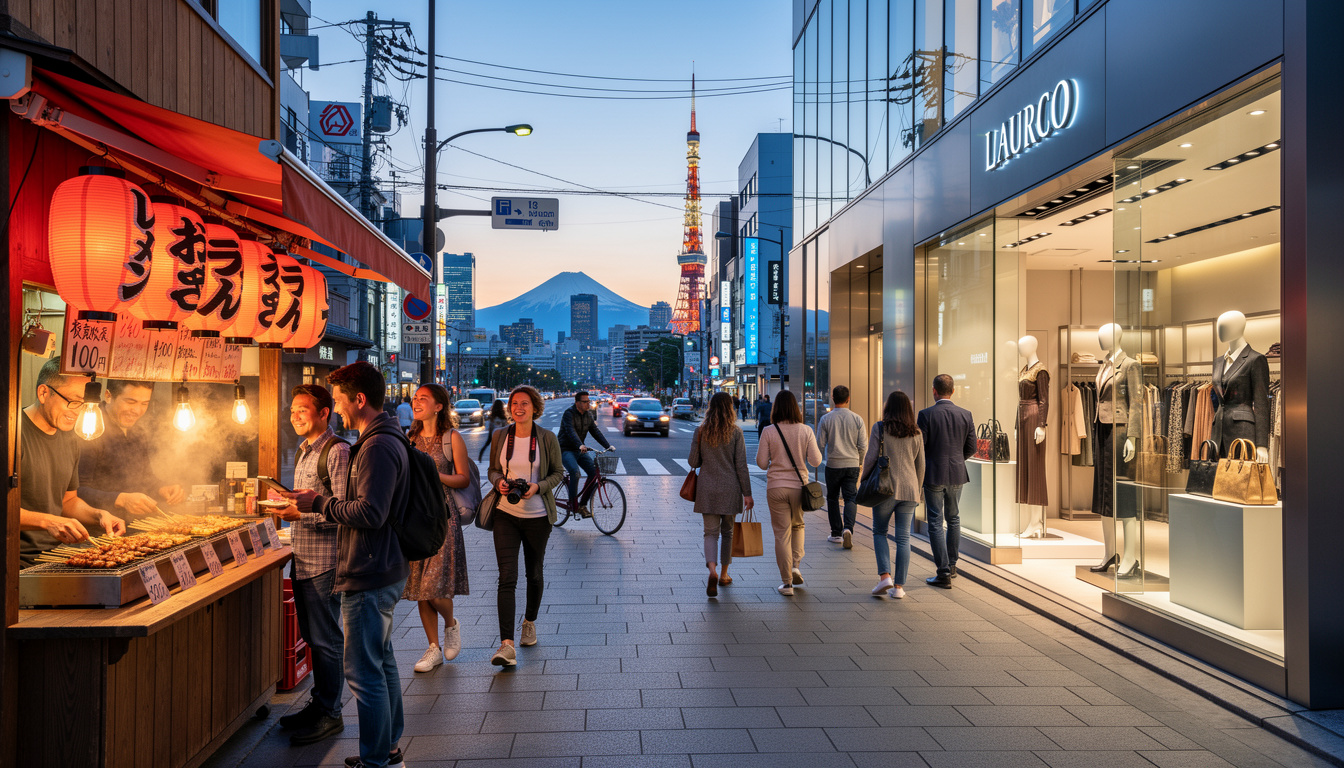
Japan travel cost often intimidates first-time visitors, but a closer look reveals a flexible picture: extravagant luxury exists alongside highly accessible options. This guide decodes the real numbers for 2025, explains which choices drive prices, and shows how a week for two can range from a modest adventure to a splurge. Flights typically dominate the budget, while accommodation style, dining choices, and intercity transport determine the rest. Expect to find an effortless balance between tradition and modern comforts—onsen nights, neon-lit cityscapes and countryside trains—without breaking the bank if priorities are set. Practical tools like pre-paid rail passes, pocket Wi‑Fi/eSIM solutions and smart timing transform perceived cost barriers into manageable line items, enabling travelers to tailor an affordable Japan trip budget or opt for indulgence when desired.
En bref :
- ✈️ Flights are the single biggest expense — average ticket around $1,800, but prices vary widely.
- 🏨 Accommodation averages about $150/night, from capsule stays to luxury ryokans.
- 🍜 Daily spending for food & activities averages $150 per person per day but can be halved with budget choices.
- 🚆 Transport for two averages $60/day
- 💡 Smart planning—off‑season travel, capsule hotels, and local food—turns an intimidating Japan tourism cost into an achievable plan.
- 💡 Smart planning—off‑season travel, capsule hotels, and local food—turns an intimidating Japan tourism cost into an achievable plan.
Is Japan expensive to visit? Real cost breakdown for 2025
Examining the numbers for a typical seven-day trip for two reveals a clear structure: plane tickets, lodging, daily food & activities, and transport form the budget backbone. On average, a seven-day trip for two in 2025 comes to about $6,100, with flights averaging $1,800 per person and accommodation near $150 per night. These figures are anchors, not rules—choices around where to sleep and eat can swing totals dramatically.
Understanding what each line item covers enables intentional trade-offs. High-end ryokans and Michelin dinners push totals skyward, while capsule hotels and konbini meals keep day-to-day Japan travel cost pleasantly low. The real insight: the trip price is shaped by priorities, not inevitabilities.
Flights: the biggest variable in Visiting Japan price
Plane tickets typically form the largest chunk of Japan expenses. Average round-trip fares hover near $1,800, but off-peak deals can drop below $600 depending on origin and booking timing. Traveling from the US East Coast generally costs more than flying from the West Coast—plan accordingly.
Timing is crucial: avoid New Year and Golden Week to sidestep price spikes. For flexible travelers, booking months ahead or targeting October–February often yields the best fares. Final insight: book smart, and flights become a manageable share of the budget.
Accommodation: from capsule to luxury ryokan
Accommodation dictates mood and cost. The middle ground sits around $150 per night, but options span from $25 capsule stays to multi-thousand-dollar luxury suites. For a cultural highlight, a night in a traditional ryokan with kaiseki dinner and onsen access typically lands near the mid-to-high range.
Capsule hotels are both iconic and budget-friendly; see practical options for the adventurous at capsule hotels. For longer stays, listed apartments and Airbnb choices offer value—compare on Airbnb Japan. Final insight: mix nights—one ryokan, several budget hotels—and upgrade where memories matter.
Food & activities: how to control the daily spend
Daily spending averages around $150 per person, split roughly between food/drink and paid activities. Yet amazing meals can be found for under $10—ramen, izakaya small plates, and street stalls deliver local flavor without the markup. Splurges—kaiseki dinners or high-end sushi—can jump costs quickly.
Activities range from free shrine visits to paid cultural workshops. Many museums and viewpoints are under $15, while guided day trips cost more. For itinerary ideas and balanced pacing, consult the practical 7-day itinerary. Final insight: prioritize one or two splurges and offset with budget meals to keep the trip joyful and affordable.
Transportation: JR Pass, IC cards and domestic flights
Efficient trains and transit keep Japan travel accessible. For two travelers, expect around $60 per day in transport costs if mixing shinkansen, local metros and occasional buses. A 7-day JR Pass (~¥51,000) can be a bargain on multi-city routes; regional passes are ideal for focused travel.
Domestic flights can be surprisingly affordable—sometimes comparable to long shinkansen legs—so compare options on routes with limited rail alternatives. For a deeper dive into movement logistics, explore the comprehensive getting around section. Final insight: choose passes only when itinerary volume justifies them.
Sample budget table: typical 7-day trip for two ✨
| Item 🚩 | Estimated cost (USD) 💵 | Notes 📝 |
|---|---|---|
| Flights ✈️ | $3,600 | Average round-trip for two (can vary) |
| Accommodation 🏨 | $1,050 | $150/night × 7 nights |
| Food & activities 🍣 | $2,100 | $150 per person per day |
| Transport (local) 🚆 | $420 | ~$60/day for two |
| Total 💰 | $6,100 | Typical 7-day total for two |
Final insight: the total is flexible—scale accommodation or flights and the final number shifts quickly.
Where to save: practical tips and cost-cutting list
Budget management is about priorities and timing. Choosing off-peak travel windows and mixing inexpensive meals with one or two memorable splurges yields high satisfaction without high cost.
- 🛌 Book affordable nights: try a capsule stay for novelty and savings (capsule hotels).
- 🍱 Eat smart: konbini breakfasts and ramen lunches, then a nicer dinner once or twice.
- 🚍 Use regional passes carefully: get a 7-day JR Pass only if crossing multiple cities.
- 📶 Cut comms cost: prefer eSIM or pocket Wi‑Fi—see options at pocket Wi‑Fi & eSIM Japan.
- 🛡️ Protect the trip: add travel insurance to avoid surprise costs—learn more at Japan travel insurance.
Final insight: small daily choices compound—one smart decision per day saves significantly by trip end.
Affordable Japan: regions and experiences that won’t break the bank
Look beyond Tokyo and Kyoto for wallet-friendly adventures. Cities like Fukuoka, Kanazawa, Takayama and Nagano offer lower accommodation and dining costs with authentic local culture. These places often deliver high value—regional festivals, local markets and scenic walks—without premium tourist surcharges.
Sample itineraries exist for varying lengths; for a long exploration consider the 3-week itinerary or the 14-day itinerary for ideas. Final insight: venturing off the main hubs multiplies value.
Practicalities that affect Japan trip budget
Small practical items add up: ATM fees, card acceptance, SIM/eSIM, and tipping policies. Japan remains cash-friendly; bring yen for smaller shops, temples and rural areas. ATMs that accept international cards are common at post offices and convenience stores—see tips at ATM withdraw money Japan.
Prepaid data options and pocket Wi‑Fi simplify connectivity—compare choices via the money & internet hub at money & internet Japan. Lastly, travel insurance is a small line item that prevents large unexpected costs. Final insight: prepare small essentials in advance to avoid expensive surprises.
Sample traveler story: Maya’s two-week experiment with budget vs splurge
Maya, a fictional digital nomad, wanted to test how flexible a Japan trip could be. For the first week, Maya stayed in business hotels and ate at local ramen shops, spending roughly $100/day. For the second week, she upgraded two nights to a ryokan and booked a private day tour—cost rose, but the memories multiplied.
This comparison shows how prioritizing moments (ryokan night, special meal) while economizing elsewhere delivers a rich trip without runaway costs. Final insight: balancing one big splurge against many small savings is the key to a satisfying Japan trip budget.
Are trips to Japan expensive for a first-timer?
Not necessarily. While flights and luxury options can push totals high, daily Japan expenses—food, transport, entry fees—are often reasonable. A thoughtful mix of budget lodging and selective splurges keeps the trip affordable.
How much should a traveler budget per day in Japan?
Expect to budget around $150 per person per day for food and activities on average, plus accommodation and transportation. Budgets can be reduced to under $100/day with capsule hotels, konbini meals, and free activities.
Is the Japan Rail Pass worth it?
The JR Pass is cost-effective when covering multiple long-distance journeys in a short window. For localized travel, regional passes or IC cards are often cheaper. Compare routes before buying.
How to stay connected affordably in Japan?
eSIM and pocket Wi‑Fi provide convenient, cost-efficient data. Compare plans and pre-purchase options to avoid high airport rates; see recommended options at the pocket Wi‑Fi & eSIM guide.